How to Choose the Right Rental Equipment for Your Project
Choosing the right equipment can directly impact the success of your project. Whether you are managing a commercial construction site or completing a residential improvement job, having the proper tools improves efficiency, safety, and cost control. Equipment rental allows businesses and contractors to access modern machinery without the high upfront cost of ownership. However, selecting the right option requires careful planning.
With so many machines and providers available, it is important to evaluate your needs before signing any agreement. The right equipment rental decision should align with your project scope, workforce skills, job site conditions, and financial goals. By taking a structured approach, you can avoid unnecessary expenses and delays while ensuring your team has the tools necessary to complete tasks efficiently and professionally.
Assess Your Project Requirements
Define the Scope of Work
Begin by outlining your project goals, deadlines, and key tasks. Understanding the full scope helps determine what type and size of machinery will be required. Clear planning prevents you from selecting equipment that is either too powerful or not capable enough for the workload. A detailed scope simplifies the equipment rental process and improves decision-making.
Identify the Equipment You Need
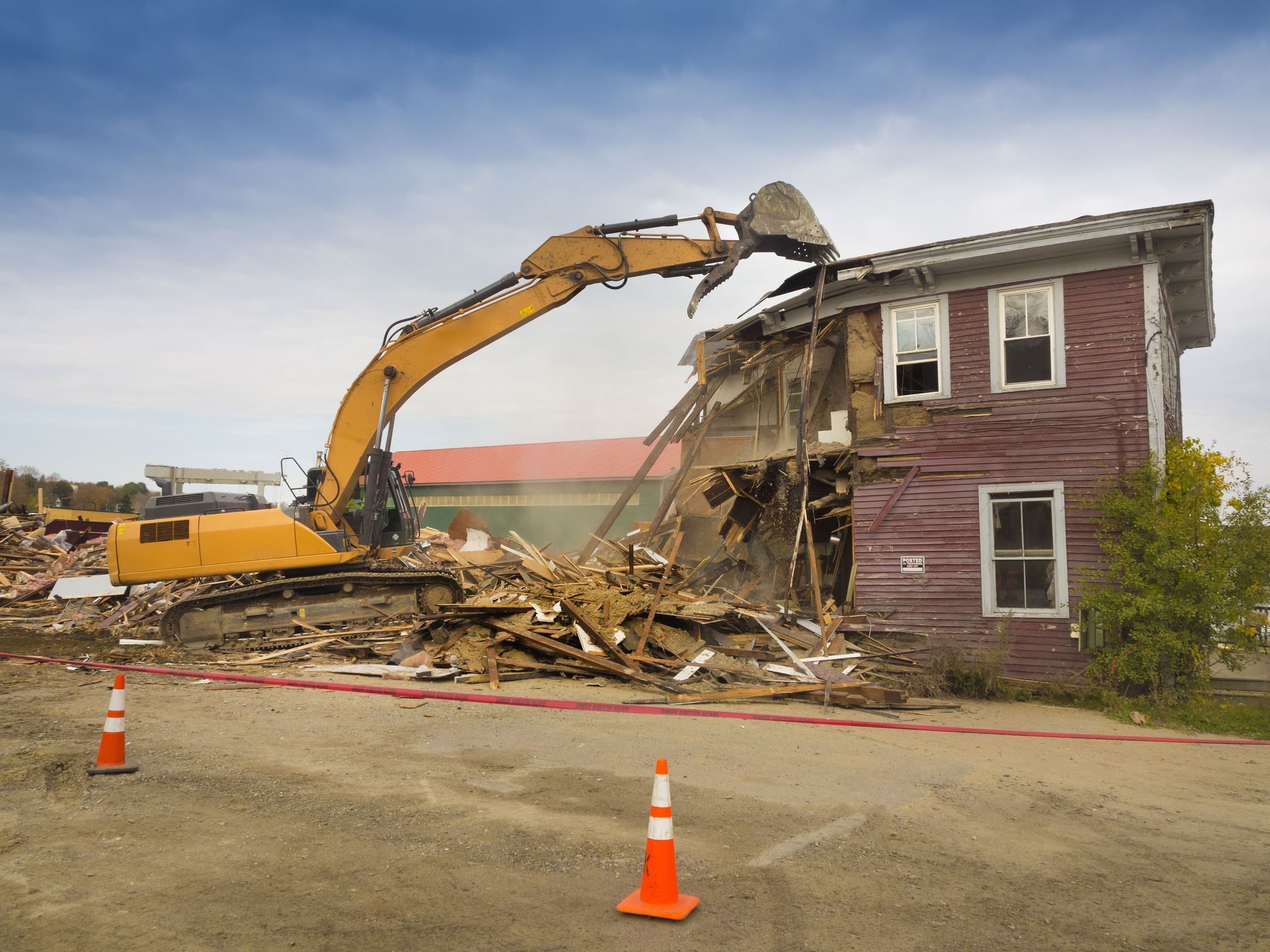
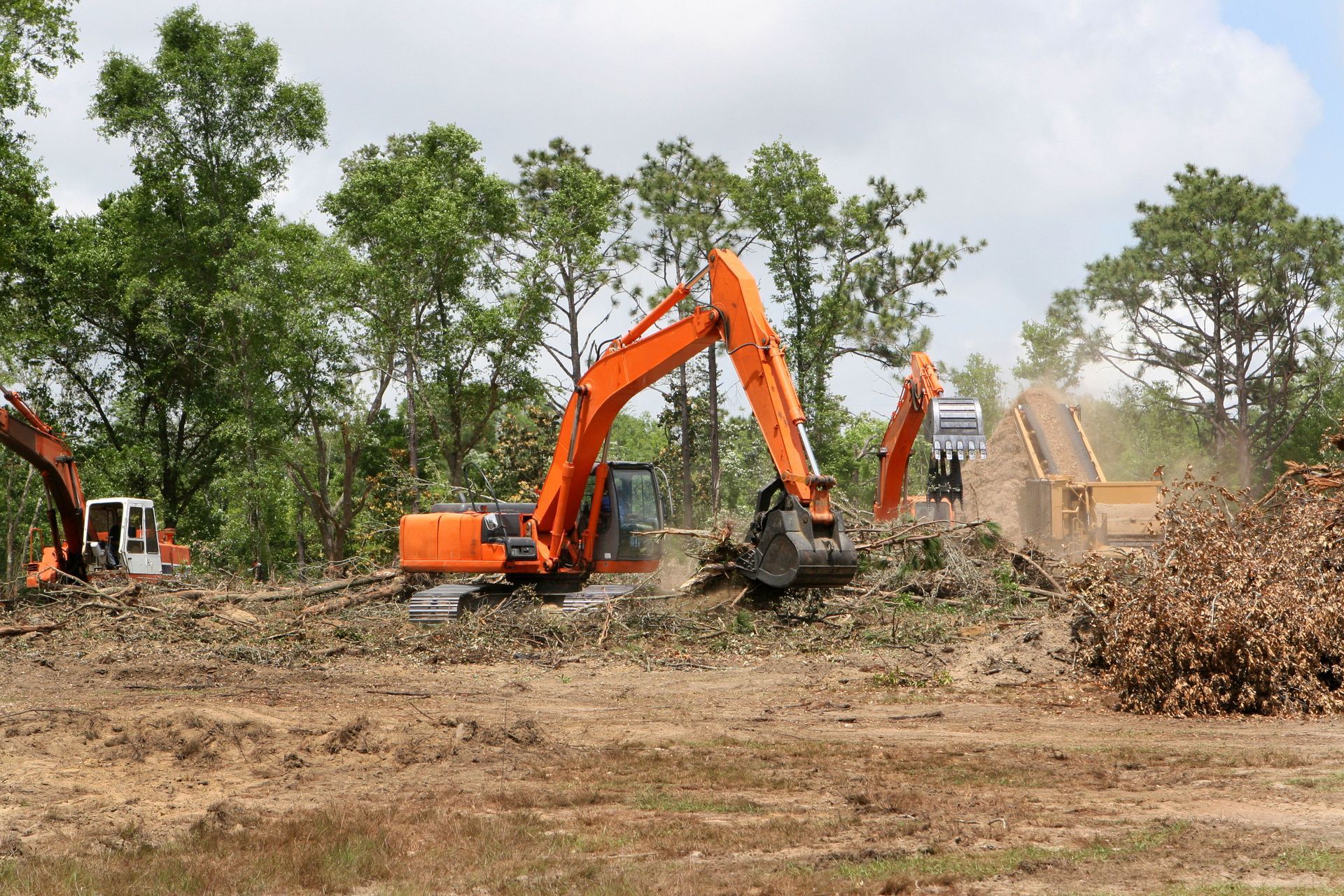
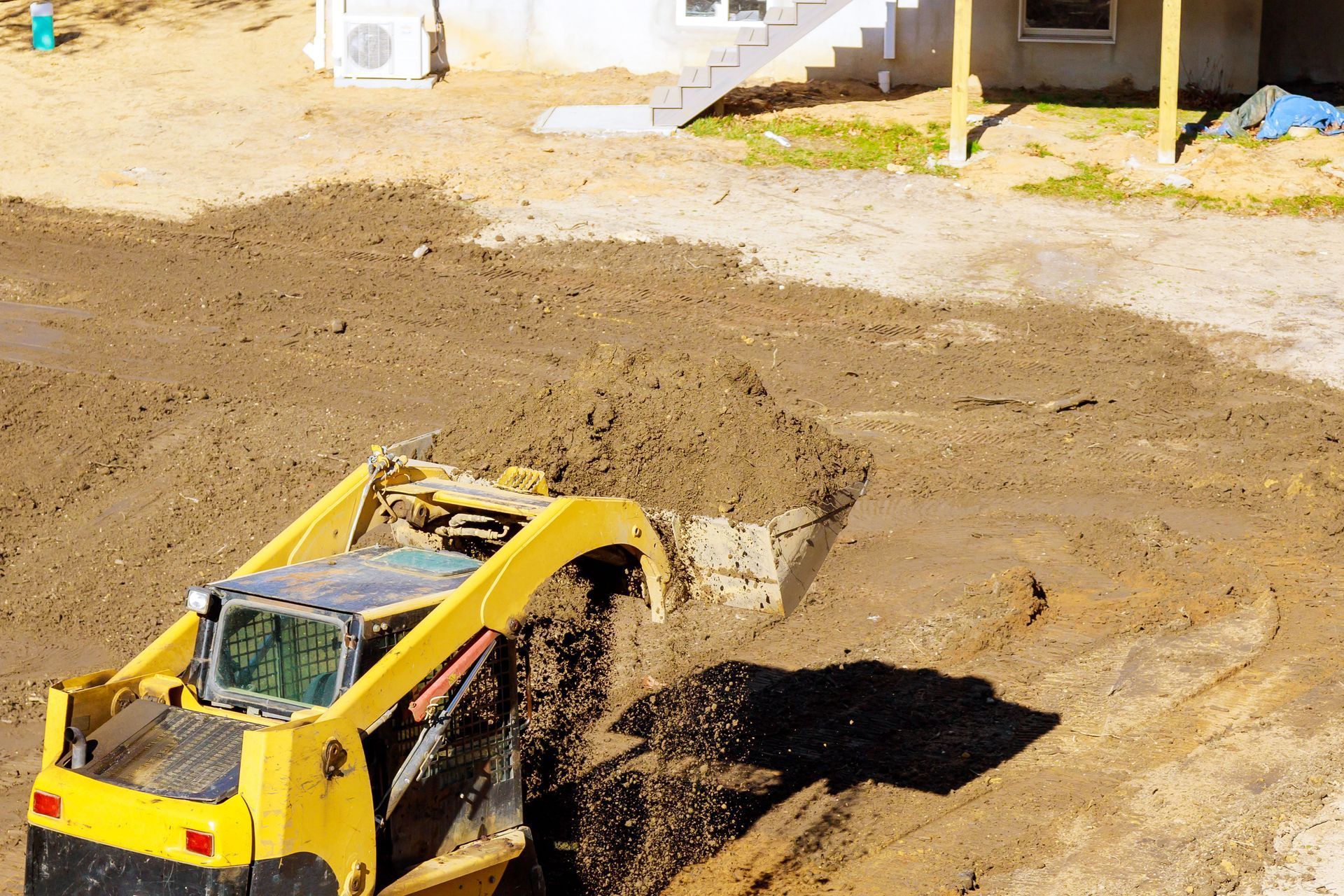
Different projects require different categories of machinery. Excavation, grading, lifting, demolition, and landscaping all demand specialized tools. Research equipment types and compare their capabilities. Consulting with an experienced equipment rental provider can help ensure you choose machinery that matches your objectives and productivity expectations.
Estimate Rental Duration
Accurately estimating how long you will need the equipment is essential for cost management. Daily, weekly, and monthly pricing structures can vary significantly. Choosing the right timeframe for your equipment rental agreement helps avoid paying for unused days or facing rush extension fees. Building flexibility into your schedule can further protect your budget.
Evaluate Job Site Conditions
Consider terrain, weather exposure, available space, and accessibility. Compact machinery may be necessary for confined urban sites, while rugged equipment may be better suited for uneven ground. Evaluating environmental conditions ensures your equipment rental supports safe and efficient performance throughout the project lifecycle.
Consider Operator Experience
The skill level of your workforce plays an important role in equipment selection. Some machines require trained or certified operators. Before finalizing an equipment rental agreement, confirm your team can operate the machinery safely. If necessary, ask the provider about available training or setup assistance to reduce risks and improve productivity.
Compare Equipment Options
Review Specifications and Features
Examine technical specifications such as power output, load capacity, fuel efficiency, and maneuverability. Matching these features to your project needs reduces downtime and increases productivity. A well-matched equipment rental improves workflow, keeps schedules on track, and minimizes operational disruptions.
Research Brand Reliability
Reputable manufacturers often produce durable and dependable machinery. Reading customer reviews and industry feedback can provide insight into performance and longevity. Working with a trusted equipment rental company that maintains high-quality brands minimizes the risk of mechanical issues and costly delays.
Prioritize Safety Systems
Modern equipment includes advanced safety features such as backup alarms, automatic shutoffs, stability controls, and protective guards. Confirm that all rented machinery meets industry safety standards. Reliable equipment rental providers regularly inspect and service their fleet to maintain compliance and worker protection.
Ensure Compatibility
If multiple machines will operate together, verify compatibility. Attachments, hydraulic systems, and power sources must align with your existing tools. Addressing compatibility before confirming your equipment rental prevents interruptions, equipment strain, and unexpected productivity losses.
Understand Equipment Rental Costs
Break Down Pricing
Rental rates vary depending on equipment type and duration. Request a clear breakdown of base rates and billing cycles. Understanding how pricing works allows you to compare providers and select the most cost-effective equipment rental option for your specific project demands.
Balance Quality and Budget
While staying within budget is important, choosing the lowest-priced machinery is not always the best decision. Higher-quality equipment often delivers better reliability and fewer delays. According to Market Research Future, the rental equipment market is projected to grow at a compound annual growth rate (CAGR) of 21.41% from 2023 to 2032. As competition increases, contractors gain access to more advanced and well-maintained equipment rental options, making quality more accessible than ever.
Look for Flexible Terms
Projects can shift due to weather, material delays, or labor shortages. Selecting an equipment rental provider that offers flexible extensions or adjustments can save time and money if schedules change unexpectedly.
Choose a Reliable Rental Provider
Evaluate Reputation
Research online reviews, testimonials, and service history. A reputable equipment rental company will maintain its fleet properly and respond promptly to customer needs. Dependable service reduces downtime and supports consistent project progress.
Assess Customer Support
Fast response times and knowledgeable staff are critical. Ask how service calls are handled and whether replacement equipment is available if needed. Strong customer support improves the overall equipment rental experience and builds long-term trust.
Confirm Availability
High-demand equipment may not always be readily available. Reserving machinery in advance ensures it arrives when needed. A reliable equipment rental provider will coordinate delivery efficiently and communicate clearly about scheduling.
Review Maintenance Policies
Clarify who is responsible for routine maintenance and repairs. Some providers include servicing in their agreements, while others charge separately. Clear expectations prevent disputes and keep your equipment rental running smoothly.
Ask About Setup Assistance
Professional delivery and setup can improve safety and efficiency. Many equipment rental companies offer operational guidance to ensure your team uses the machinery correctly from day one, reducing errors and improving productivity.
Address Legal and Safety Requirements
Understand the Contract
Carefully review rental terms, payment schedules, liability clauses, and return conditions. Clear documentation protects both parties and supports a smooth equipment rental process from start to finish.
Verify Compliance
Ensure that all rented machinery meets local and federal safety regulations. Regular inspections and operator training help maintain compliance throughout the duration of your equipment rental agreement.
Confirm Insurance Coverage
Determine whether your company or the provider carries insurance coverage during the rental period. Adequate protection reduces financial risk in case of damage, theft, or accidents on the job site.
Secure Necessary Permits
Certain heavy equipment may require permits depending on location and usage. Confirm requirements early to avoid project delays and potential fines.
Prepare for Emergencies
Unexpected breakdowns can disrupt progress. Develop contingency plans and confirm that your equipment rental provider offers timely repair or replacement services to maintain project continuity.
Finalize the Equipment Rental Decision
Inspect Equipment Upon Delivery
Before beginning work, conduct a thorough inspection. Check for visible damage, test functionality, and document the condition of the equipment. A proper inspection ensures accountability during your equipment rental period.
Align with Your Timeline
Confirm delivery and pickup dates match your project schedule. Proper coordination maximizes the value of your equipment rental investment and prevents unnecessary idle time.
Review Past Experiences
Learning from previous projects can improve future decisions. Evaluating what worked well helps refine your equipment rental strategy and strengthens long-term operational efficiency.
Confirm All Details
Before work begins, verify pricing, duration, responsibilities, and service expectations in writing. Clear communication ensures a successful equipment rental experience and minimizes misunderstandings.
Selecting the right machinery requires thoughtful evaluation and strategic planning. Equipment rental offers flexibility, financial efficiency, and access to modern technology when chosen carefully. By assessing project needs, comparing options, understanding costs, and partnering with a reliable provider, you can complete your project safely and efficiently.
A well-planned equipment rental decision enhances productivity, reduces risk, controls expenses, and supports successful project delivery from start to finish. For more information, contact ABC Equipment Rental.
Share On: