How Landscaping Equipment Improves Workflow on Big Commercial Jobs
Large commercial landscaping projects require careful coordination, reliable machinery, and efficient scheduling to keep work moving forward. From preparing expansive properties to maintaining green spaces around office buildings, shopping centers, and industrial facilities, every task contributes to the overall project timeline. Without suitable tools, crews may spend excessive time completing repetitive work, transporting materials, or handling demanding outdoor tasks manually. Access to the right machinery can help contractors improve productivity while managing labor requirements and project costs. For many businesses, landscaping equipment rentals offer a practical way to obtain machines without the expense of purchasing every piece of equipment. Renting also allows contractors to select machinery according to the size, terrain, and requirements of each project. When equipment is readily available and properly matched to the job, teams can coordinate their responsibilities more effectively. Understanding how equipment supports different stages of commercial landscaping helps contractors make informed decisions about their operations.
Improving Site Preparation and Ground Clearing
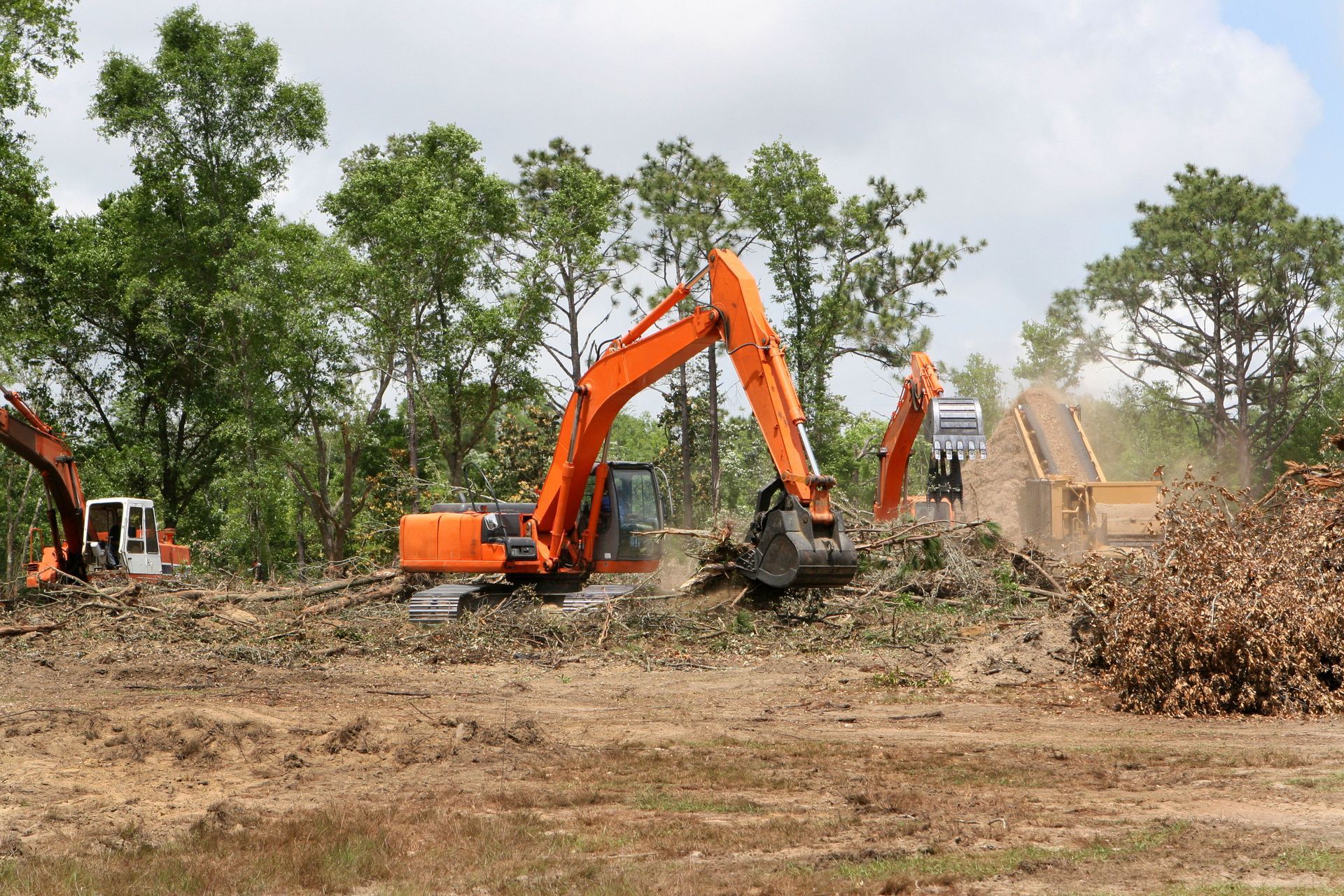
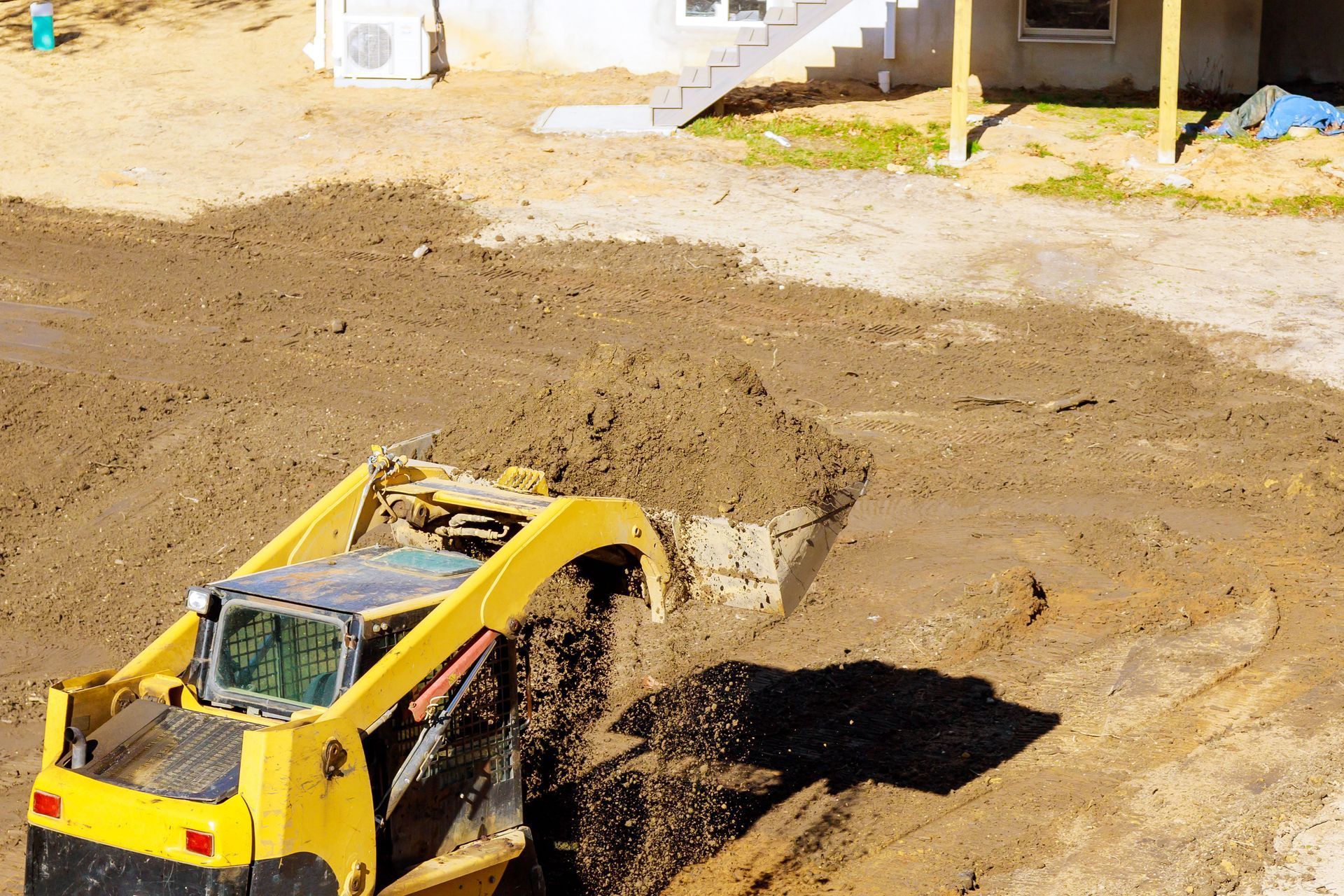
Preparing a large commercial property often involves removing debris, clearing vegetation, leveling soil, and establishing suitable conditions for future landscaping. These activities can take considerable time when crews rely on manual labor or machinery that is not designed for the specific task. Skid steers, compact track loaders, and other earthmoving machines can help contractors move materials and prepare expansive areas more efficiently. Landscaping equipment rentals allow businesses to select suitable machines for properties with different terrain conditions and preparation requirements. For example, compact equipment can be useful around buildings and narrow access points where larger machinery may struggle to maneuver. Contractors can also reduce unnecessary movement by selecting equipment that handles multiple preparation tasks. According to HomeGuide, landscaping improvements can increase a home's value by approximately 10% to 30%, depending on the quality and type of work completed. Although commercial properties have different valuation considerations, this information illustrates why well-planned outdoor improvements can be a worthwhile investment.
Accelerating Material Transportation and Handling
Moving soil, mulch, gravel, plants, and other landscaping materials across a large property can consume a significant portion of the workday. When crews transport these materials manually, they may complete fewer installations while experiencing greater physical fatigue. Dump trailers, loaders, utility vehicles, and material-handling equipment can simplify transportation between storage areas and active work zones. Contractors using landscaping equipment rentals can obtain machines suited to the materials they need to move and the distances involved. Efficient transportation also helps keep pathways clear and reduces unnecessary interruptions to other activities. For instance, a loader can transfer bulk soil to designated areas while planting crews prepare beds nearby. Coordinating deliveries with equipment availability further reduces waiting time and prevents materials from accumulating in inconvenient locations. These improvements help commercial landscaping teams maintain a steadier workflow throughout demanding project schedules.
Increasing Efficiency Across Multiple Tasks
Commercial landscaping projects frequently involve mowing, grading, planting, trimming, aerating, and maintaining irrigation areas. Completing these activities efficiently requires equipment that matches the task, property conditions, and expected workload. Riding mowers can cover extensive turf areas faster than smaller residential machines, while trenchers can help create channels for irrigation installations. Landscaping equipment rentals provide access to tools that contractors may only need for particular project stages. This flexibility allows crews to use different machines as the work progresses instead of relying on one piece of equipment for unsuitable tasks. Choosing equipment based on the job also helps prevent delays caused by inadequate cutting capacity, limited digging depth, or insufficient material-handling capability. Project managers can schedule specific machines for designated work periods to avoid conflicts between crews. With equipment assigned strategically, multiple activities can proceed in a coordinated sequence rather than creating unnecessary bottlenecks.
Reducing Labor Demands and Physical Strain
Large landscaping jobs often require repetitive lifting, digging, hauling, and other physically demanding activities. Excessive manual handling can slow progress and increase the likelihood of fatigue-related mistakes or workplace injuries. Appropriate machinery helps workers complete demanding tasks while reserving manual effort for detailed work that requires precision. Landscaping equipment rentals make it easier for contractors to access lifting, digging, and transport solutions when project demands increase. For example, mechanical augers can simplify the process of creating planting holes, while loaders can move heavy materials across designated work areas. Equipment operators still need appropriate training and must follow manufacturer instructions and site safety procedures. Supervisors should also establish clear communication between operators and nearby workers to reduce hazards during machine movement. By combining mechanical assistance with sound safety practices, contractors can support more consistent productivity across large crews.
Managing Project Costs and Equipment Availability
Purchasing every machine needed for commercial landscaping can require substantial capital, especially for businesses handling different project types throughout the year. Equipment ownership may also involve maintenance, storage, insurance, transportation, and repair expenses. Landscaping equipment rentals can help contractors match equipment spending to specific projects rather than purchasing machines that remain unused for long periods. Renting can be particularly useful when a project requires specialized machinery for only a few days or weeks. Before arranging equipment, project managers should compare rental rates, delivery charges, rental periods, fuel requirements, and any additional fees. They should also confirm that the selected machine is available when the relevant task is scheduled to begin. Planning ahead reduces the possibility of crews waiting for equipment or paying for machinery that cannot be used immediately. Careful budgeting and scheduling allow contractors to make better use of available resources while maintaining control over project expenses.
Coordinating Crews and Maintaining Project Timelines
Even when the right machinery is available, large commercial jobs can fall behind without a clear work sequence. Site preparation, irrigation installation, planting, grading, and final cleanup often depend on earlier tasks being completed first. Project managers should identify these dependencies and assign equipment according to the schedule. Landscaping equipment rentals can support this process by allowing contractors to arrange machinery for specific phases instead of keeping every machine on site throughout the project. A shared schedule helps operators, laborers, supervisors, and delivery personnel understand when and where equipment will be needed. Regular progress checks also reveal whether changing weather, unexpected ground conditions, or material shortages require adjustments. When a delay occurs, managers can reorganize tasks that do not depend on the affected activity. This coordinated approach helps teams reduce downtime and complete work more predictably without sacrificing installation quality.
Supporting Reliable Results Through Proper Equipment Selection
Equipment selection should account for more than a machine's size or rental price. Contractors must consider soil conditions, site access, operating capacity, terrain, attachments, and the type of work being performed. A machine that performs well on an open property may be unsuitable for a confined commercial courtyard or a site with soft ground. Landscaping equipment rentals give businesses opportunities to choose machinery that aligns with these changing conditions. Before work begins, crews should inspect equipment for visible damage and verify that essential safety features are functioning properly. Operators should receive instructions on controls, operating limits, and safe movement around workers and structures. Equipment should also be cleaned and maintained according to the rental provider's requirements to help prevent avoidable performance problems. Matching machinery to project conditions improves efficiency while supporting a safer and more organized working environment.
Successful commercial landscaping depends on effective planning, capable crews, and equipment that can handle the demands of each project phase. From initial ground preparation to material transportation and final site maintenance, suitable machinery helps contractors use their time and resources more effectively. Landscaping equipment rentals provide flexibility for businesses that need different machines without committing to permanent ownership. Careful equipment selection, coordinated scheduling, and consistent safety practices can help reduce delays and keep large projects organized. Contractors should evaluate their project requirements before selecting machinery to ensure that each rental supports a specific operational need. ABC Equipment Rental can help businesses explore equipment options suited to their landscaping projects and schedules. Contact us to discuss your upcoming commercial landscaping job and find equipment solutions that help keep your crew productive.
Share On: