The Benefits of Equipment Rental
In today's fast-paced economic landscape, equipment rental has emerged as a vital strategy for businesses seeking agility and competitiveness. As industries face fluctuating demands, the shift from ownership to rental allows companies to prioritize flexibility and cost-effectiveness. By leveraging equipment rental, modern enterprises can adapt to changing project scopes without the burden of massive capital investments.
Financial Efficiency and Cost Savings
One of the most immediate benefits of equipment rental is the preservation of capital. Purchasing heavy machinery outright requires significant upfront expenditure that can strain a company’s cash flow. Renting eliminates these high initial costs, allowing businesses, especially startups, to allocate funds toward innovation and growth. Furthermore, renting often includes maintenance services, which further reduce long-term operational costs. Predictable budgeting is another hallmark of the rental model. Instead of facing unexpected repair bills for owned assets, companies can manage fixed rental fees. This financial clarity is a primary driver for the industry's expansion. According to The Business Research Company, the construction equipment rental market is projected to increase from $105.1 billion in 2024 to $110.55 billion in 2025, reflecting a 5.2% annual growth rate.
Beyond cash flow, equipment rental offers significant tax advantages. Rental payments are often treated as deductible operational expenses, reducing a company's overall taxable income. Additionally, renting mitigates the risk of depreciation. Since the rental provider retains ownership, the business is protected from declining asset values and technological obsolescence. This protection ensures that the business remains financially liquid and ready to pivot as the market evolves.
Flexibility and Scalability for Modern Projects
The ability to scale resources according to project needs is a critical competitive edge. Equipment rental allows businesses to expand or contract their fleet based on current contracts. This is particularly valuable for seasonal industries, such as landscaping or construction, where certain tools may only be needed for a few months out of the year. Instead of paying for a machine to sit idle in a warehouse, companies only pay for the time the equipment is active.
Renting also ensures access to the latest technology. Rental companies frequently update their inventories to include the newest models with the latest safety and efficiency features. This allows contractors to utilize cutting-edge machinery without the sunk cost of owning an older, less efficient model. At the end of a project, the asset is simply returned, avoiding the logistical headaches of resale or disposal. This creates a cycle of constant improvement where the user always has the best possible tool for the specific task at hand.
Comprehensive Maintenance and Support
Maintenance is a hidden cost of ownership that includes labor, parts, and specialized facilities. With equipment rental, these responsibilities typically fall on the provider. This ensures that the machinery is in peak working condition upon arrival. If a breakdown does occur, most rental agreements include provisions for immediate replacement, ensuring that project downtime is kept to an absolute minimum. This reliability is essential for maintaining strict project timelines and avoiding costly delays.
Renters also benefit from professional technical support. Providers offer guidance on safe operation and troubleshooting, which reduces the risk of onsite accidents and costly errors. This expert backing, combined with included insurance and warranty coverage, provides peace of mind and allows the project team to focus entirely on execution rather than mechanics. Having a dedicated support team behind every piece of equipment essentially acts as an extension of the contractor's own workforce, allowing the business to operate with a leaner, more focused internal team.
Access to Specialized and Diverse Inventory
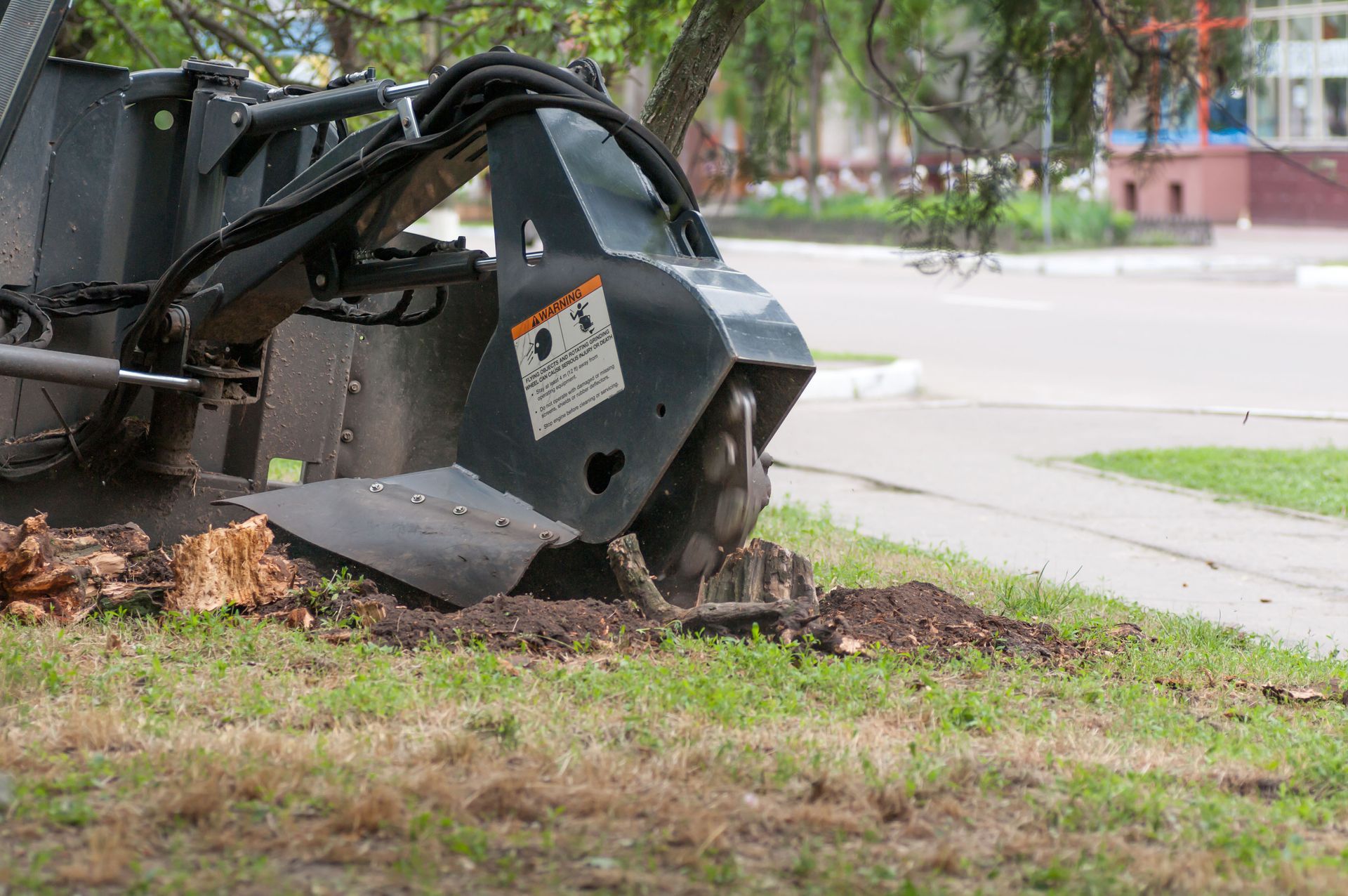
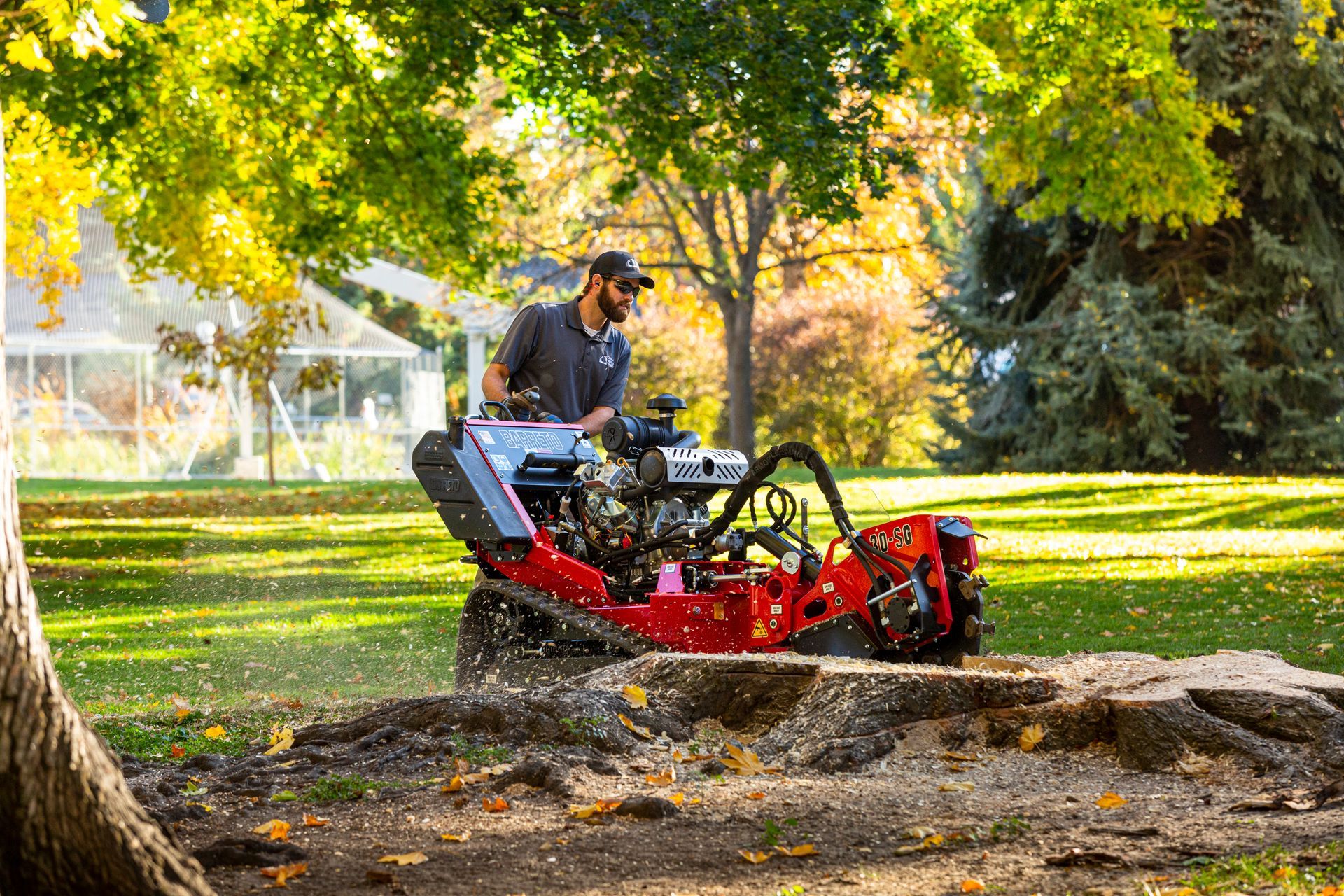
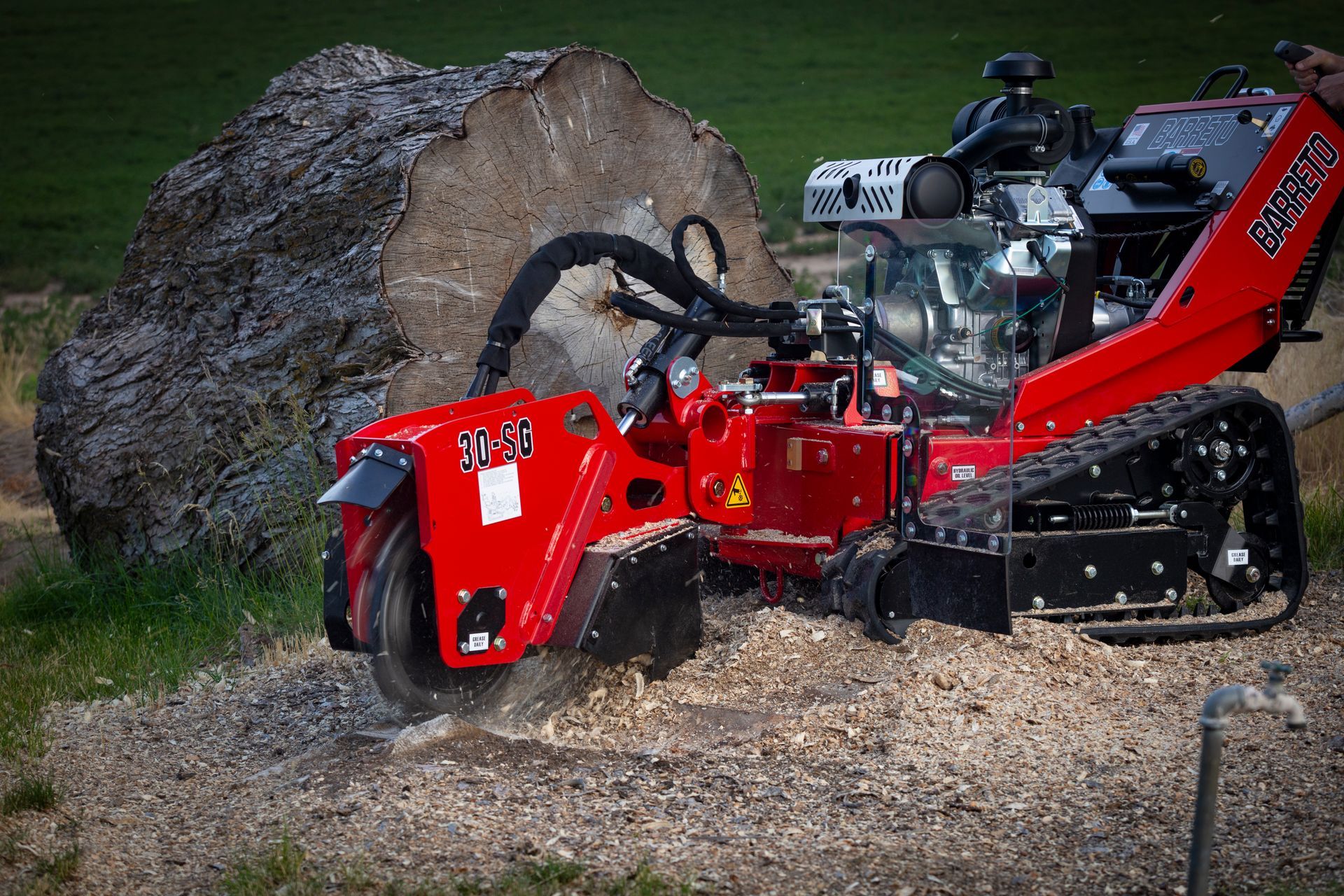
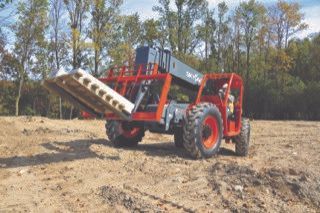
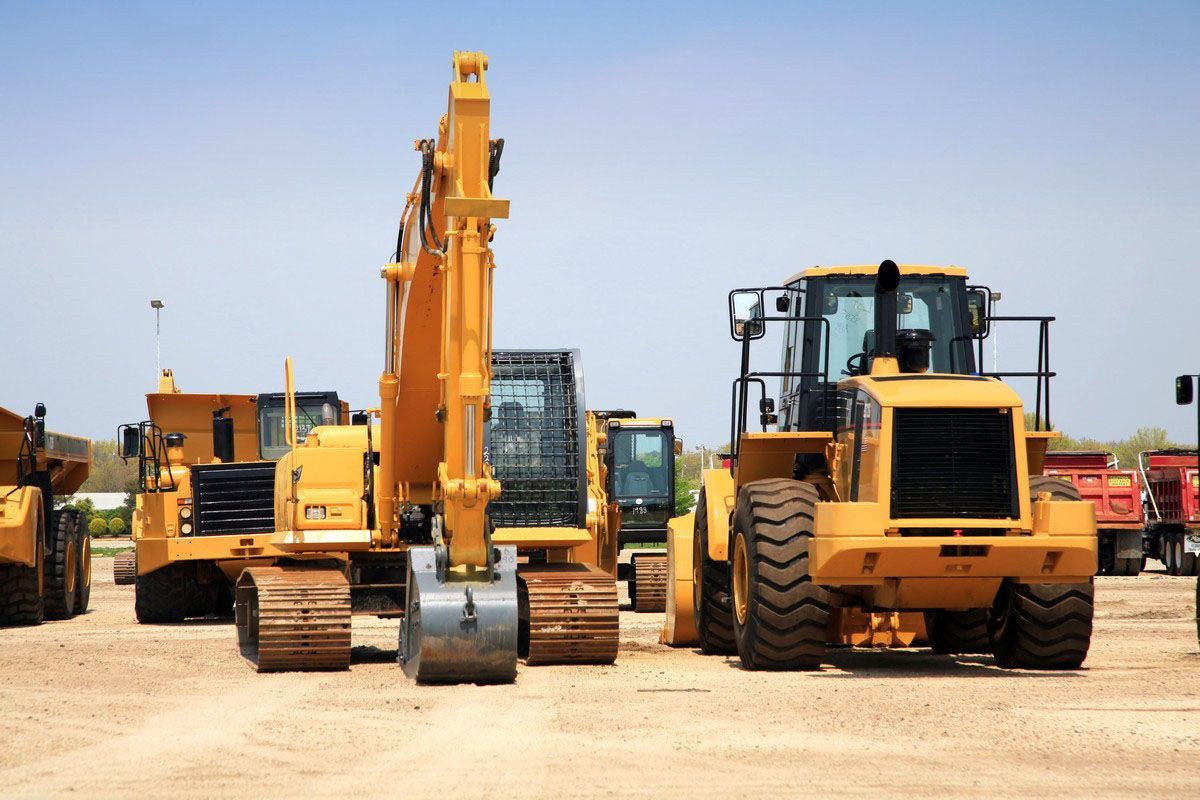
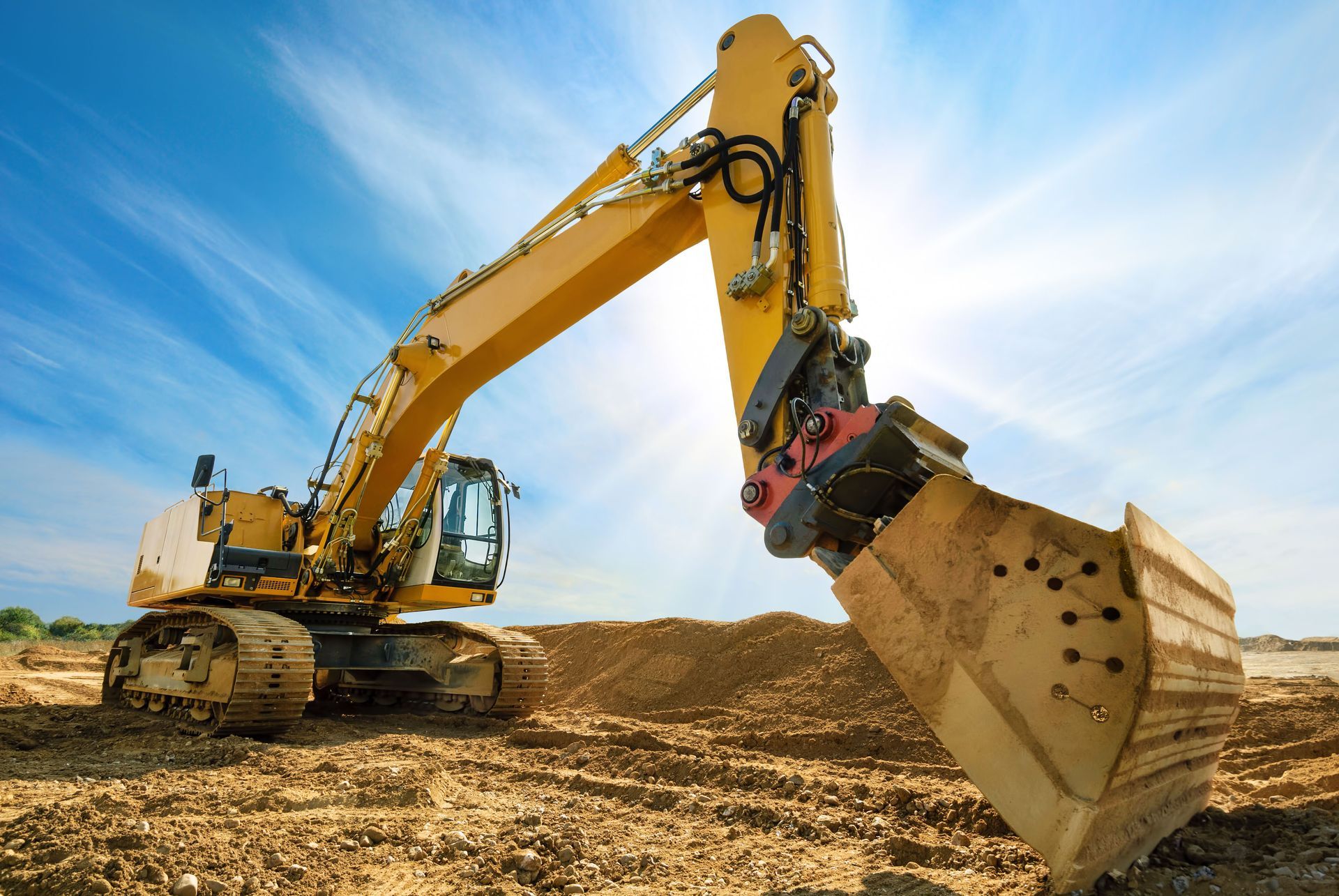
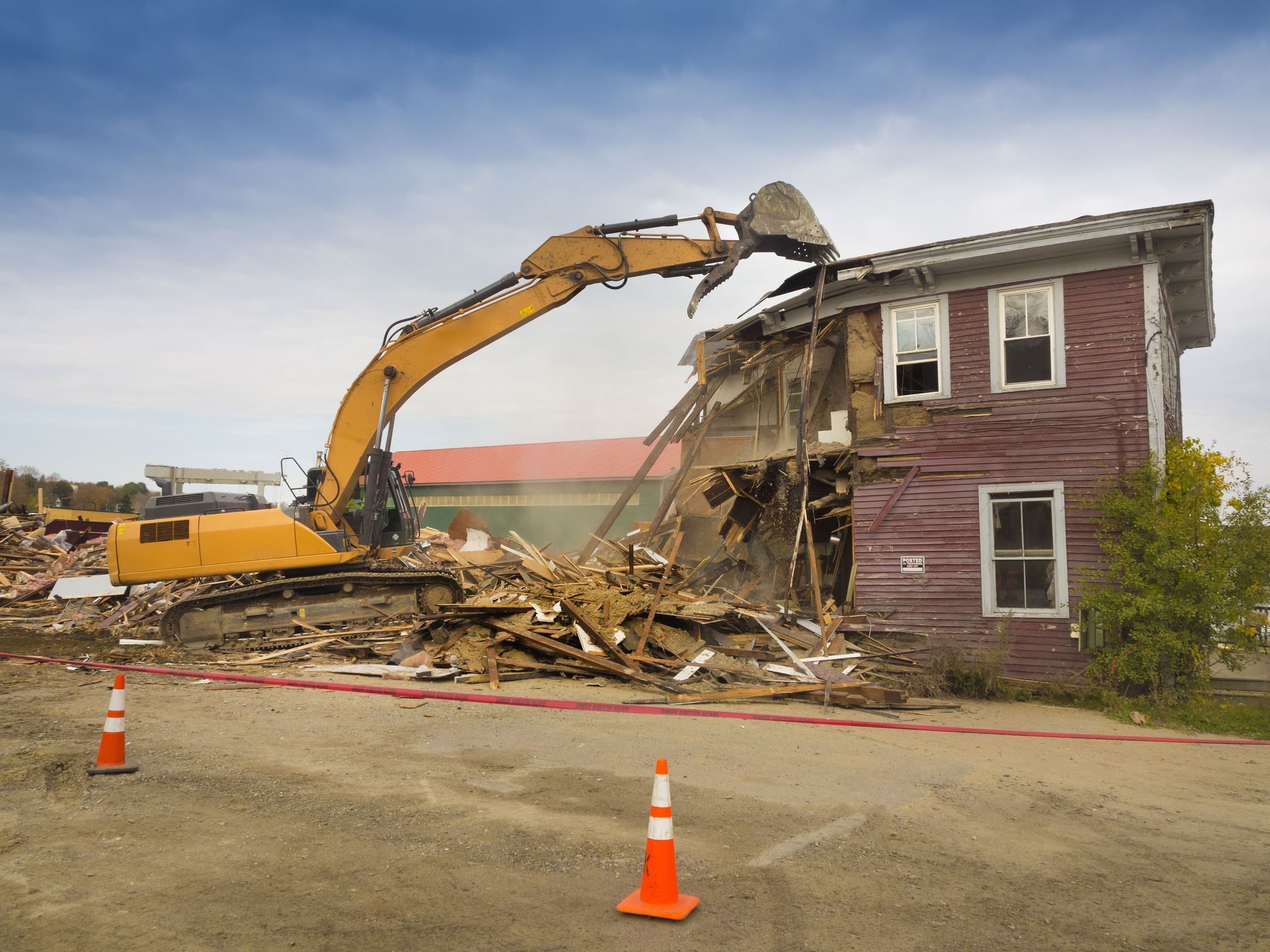
Many projects require niche tools that are rarely used across a standard portfolio. Investing in such specialized equipment is rarely justifiable because the frequency of use does not outweigh the cost of purchase and storage. Equipment rental services solve this by providing a vast catalog of machinery available on demand. This includes heavy earthmoving machines like excavators and skid steers for site preparation, as well as aerial work platforms like scissor lifts and boom lifts for safe high-altitude access.
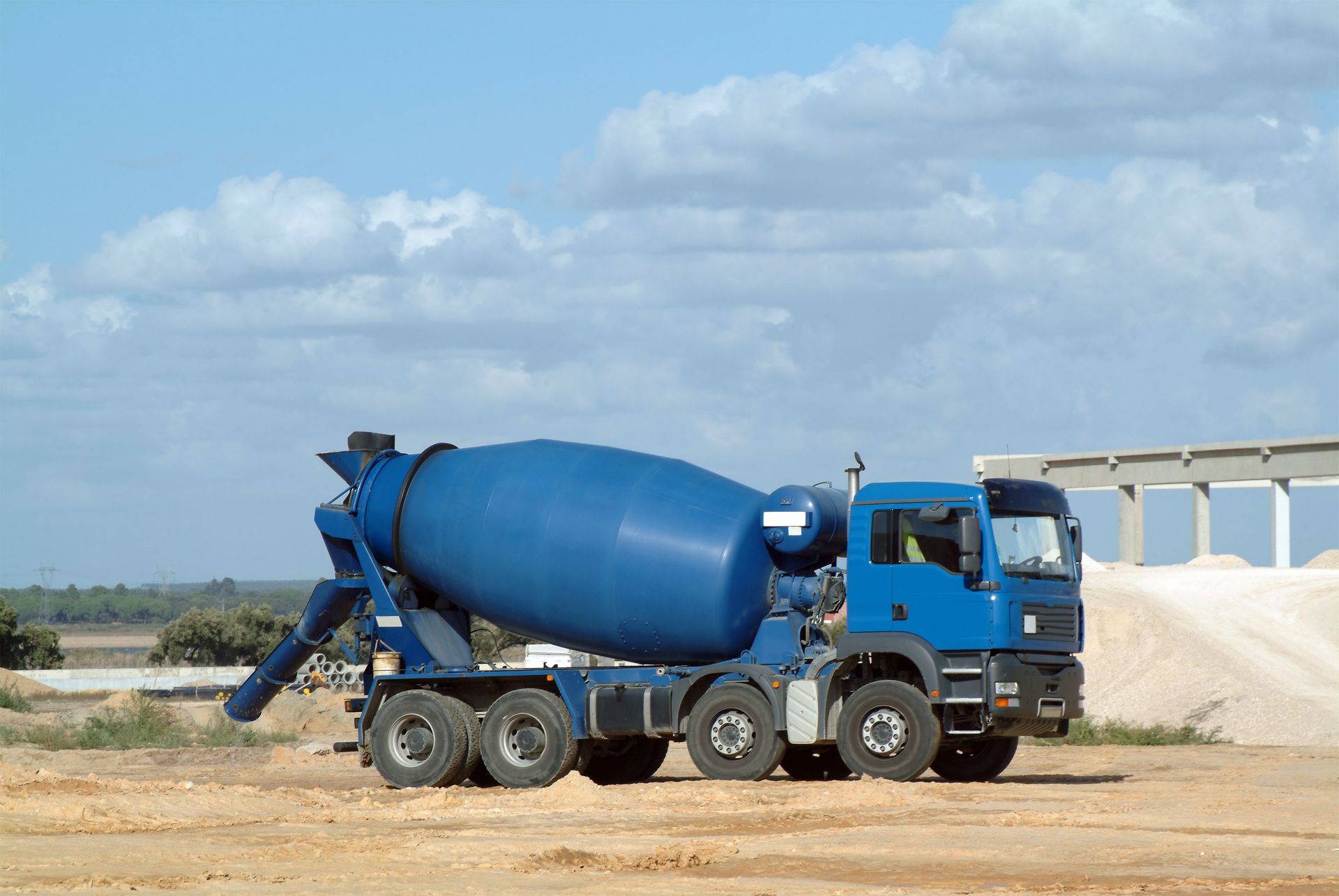
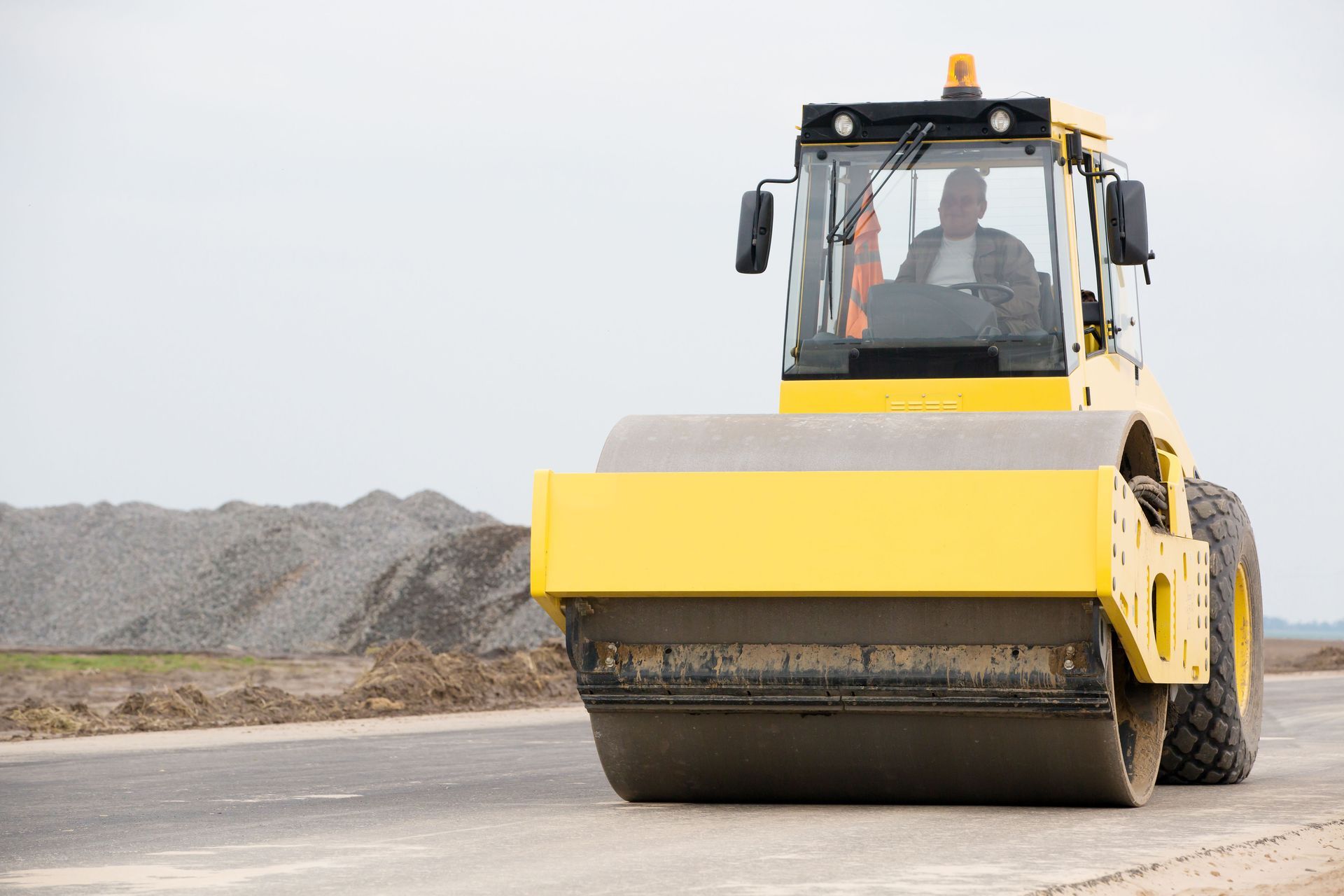
Furthermore, specialized needs such as compaction rollers, concrete mixers, high-capacity generators, and air compressors are readily available through rental partners. This diversity allows businesses to take on a wider range of contracts. A landscaping firm can suddenly bid on a drainage project by renting a mini-excavator, or a painting contractor can accept a high-rise job by renting a specialized boom lift. This on-tap inventory effectively levels the playing field for smaller companies competing against industry giants, providing them with the same technological advantages as larger corporations.
Enhancing Job Site Safety and Compliance
Safety is paramount in any industrial or construction environment. Owned machinery that is aging or poorly maintained poses a significant risk to operators and bystanders. Rental providers, however, are governed by strict safety regulations and must perform rigorous inspections between every rental period. When you choose a reputable rental partner, you are receiving a machine that has been professionally vetted for safety compliance, ensuring that all components are functioning exactly as the manufacturer intended.
Many rental agencies provide basic training or safety orientations for the specific models you rent. This ensures that your team is not just using a tool, but using it correctly and safely. From specialized harnesses for scaffolding to the latest emergency shut-off features on heavy machinery, the rental market prioritizes the well-being of the workforce. By reducing the likelihood of accidents, companies can maintain lower insurance premiums and protect their most valuable asset, which is their employees.
Strategic Geographic Flexibility and Logistics
Geographic flexibility is an often-overlooked advantage of the rental model. For companies operating across state lines or in multiple cities, transporting heavy machinery is expensive and logistically complex. Fuel costs and transport logistics can erode project margins quickly. If a company owns a fleet in one region but wins a contract in another, the logistical effort to move those assets can become a massive project in itself.
By partnering with a regional or national provider, a company can source the necessary tools locally at the job site. This local sourcing strategy significantly reduces transportation costs and logistics management. It also allows for a faster response time. If a project in another city requires an extra generator, it is much faster to rent one locally than to ship one from a home office hundreds of miles away. This agility allows businesses to be more aggressive in their bidding process, knowing they can fulfill equipment needs regardless of the geographic location of the upcoming project.
Streamlining Operations and Eliminating Storage Needs
Storage is a major logistical hurdle for equipment owners. Large machinery requires secure, climate-controlled environments to prevent rust and theft. These facilities come with high property taxes, insurance premiums, and security costs. By opting to rent, you eliminate the need for permanent storage space and the overhead that comes with it. This allows businesses to operate out of smaller facilities, focusing real estate investments on active production areas rather than warehouses for idle machines.
This lean operational model simplifies the business structure. It removes the need for complex logistics planning, long-term storage, and a dedicated maintenance staff. This allows leadership to focus resources and personnel on core activities that drive revenue. Choosing equipment rental is more than just a financial decision; it is a strategic move toward a more agile and sustainable business model. By unlocking cost savings, accessing modern technology, and reducing operational burdens, companies can navigate today’s dynamic market with confidence and efficiency. Whether managing a single site or a national portfolio, the rental path provides the tools for success without the chains of ownership. For more information, contact ABC Equipment Rental.

Share On: