How Does Equipment Rental Improve Efficiency on Construction Projects?
Construction projects require careful coordination of machinery, labor, materials, and schedules. Whether contractors are preparing construction sites, moving heavy materials, completing concrete work, or performing elevated tasks, access to appropriate equipment plays an important role in maintaining productivity. When machinery is unavailable or unsuitable for a particular application, projects may experience delays, additional expenses, and operational challenges.
Using equipment rental services allows construction businesses to access specialized machinery without purchasing every machine required for their projects. This flexibility can support efficient scheduling, improve resource allocation, and reduce certain responsibilities associated with equipment ownership.
Improving Project Efficiency Through Equipment Availability
Construction projects involve different phases requiring machinery with specific capabilities. Equipment suitable for excavation may not provide the functionality necessary for material handling, concrete preparation, or elevated construction activities. Contractors relying exclusively on owned machinery may encounter limitations when project requirements change.
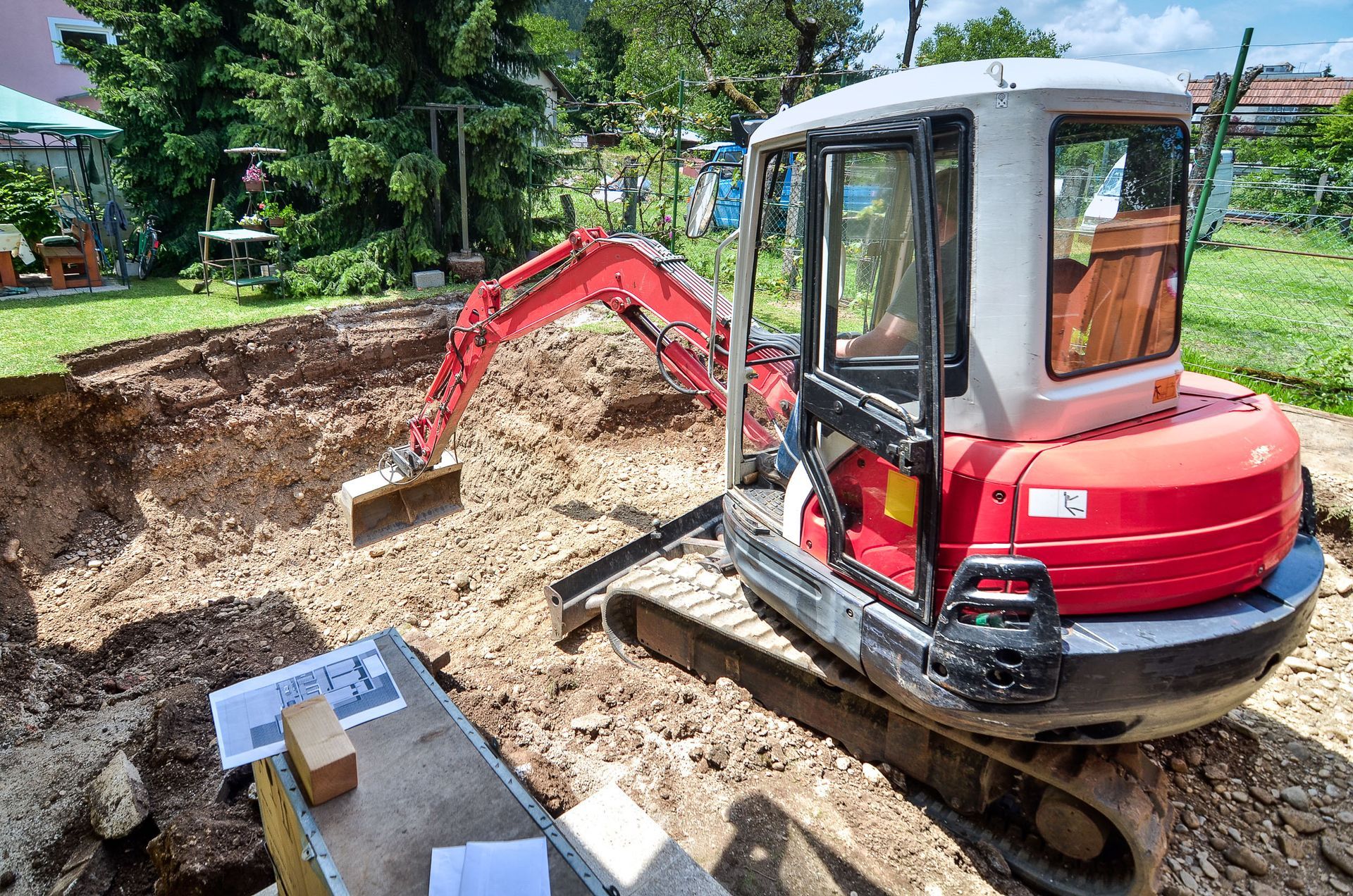
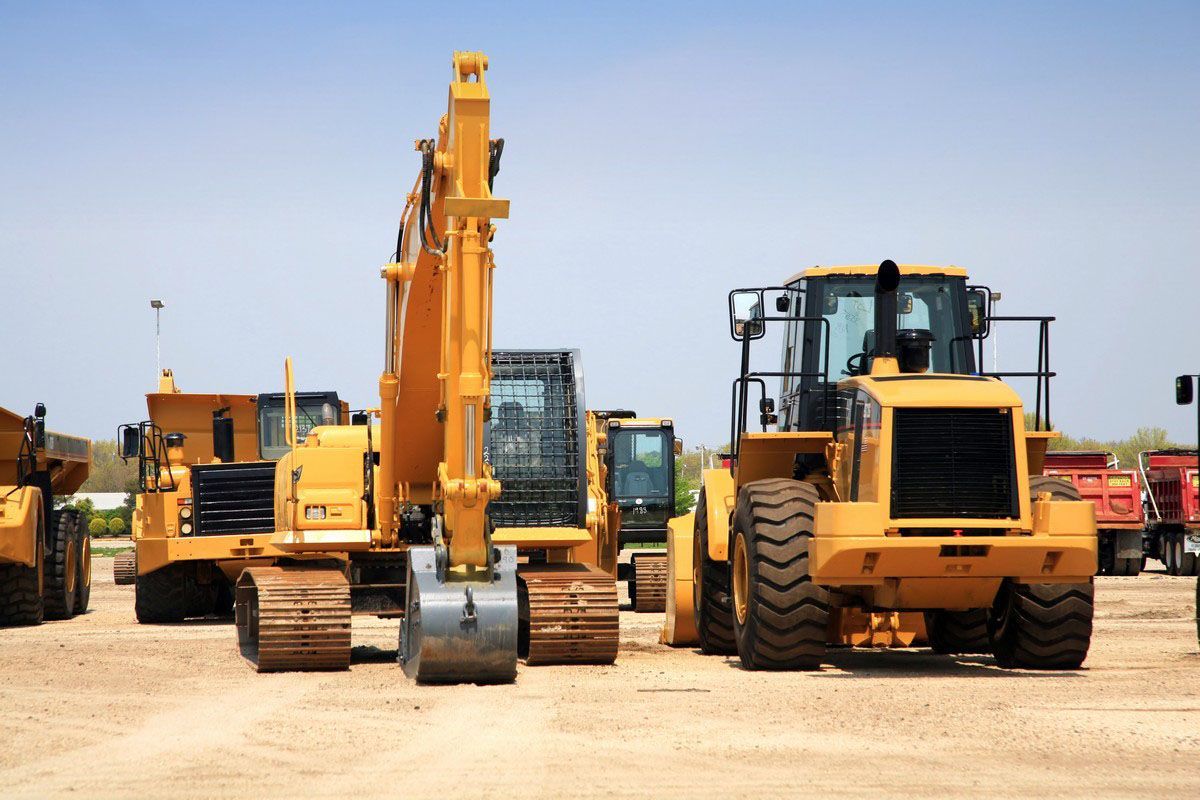
Access to rental machinery allows construction teams to select equipment according to their assignments. Excavators support digging and trenching operations, while skid steers assist with material movement and site preparation. Forklifts provide lifting capabilities, and aerial work platforms offer access to elevated areas.
Having appropriate machinery available can reduce interruptions caused by equipment limitations. Instead of modifying schedules around existing resources, contractors can coordinate equipment access with anticipated construction activities.
Reducing Maintenance Responsibilities Through Rental Equipment
Equipment ownership involves responsibilities beyond purchasing machinery. Construction businesses must account for inspections, servicing, mechanical repairs, storage, and eventual replacement. These obligations require financial resources and personnel who might otherwise focus on active projects.
Maintenance demands can represent a substantial operational commitment. According to WorkTrek, 31% of facilities allocate 30 hours or more to routine maintenance tasks every week. Although this statistic concerns facilities rather than construction contractors specifically, it demonstrates how maintenance responsibilities can consume valuable labor resources.
Strategic equipment rental arrangements may reduce certain ownership-related maintenance obligations. Instead of maintaining specialized machinery throughout the year, contractors can obtain equipment when specific assignments require it.
Depending on rental agreements, providers may handle scheduled servicing and certain mechanical repairs. Contractors must still complete applicable inspections, follow operating requirements, and use machinery according to manufacturer guidelines.
Supporting Construction Productivity Through Specialized Machinery
Different construction activities require machinery with specific operating capabilities. Selecting equipment that matches project requirements can influence productivity, workflow organization, and labor efficiency.
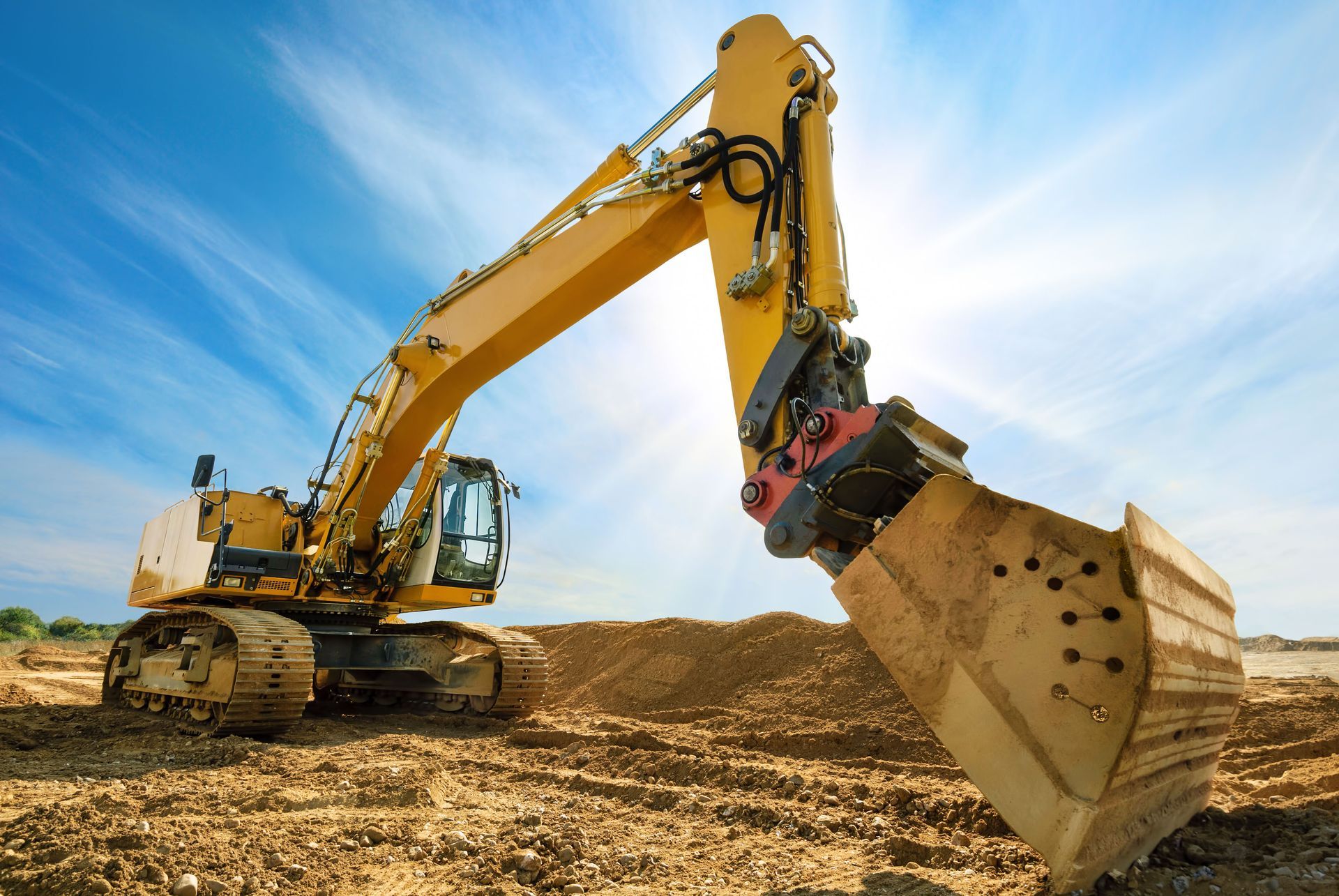
Excavators are designed for digging, trenching, and earthmoving applications. Skid steers provide versatility for material handling and site preparation, while compaction equipment supports surface preparation for construction activities.
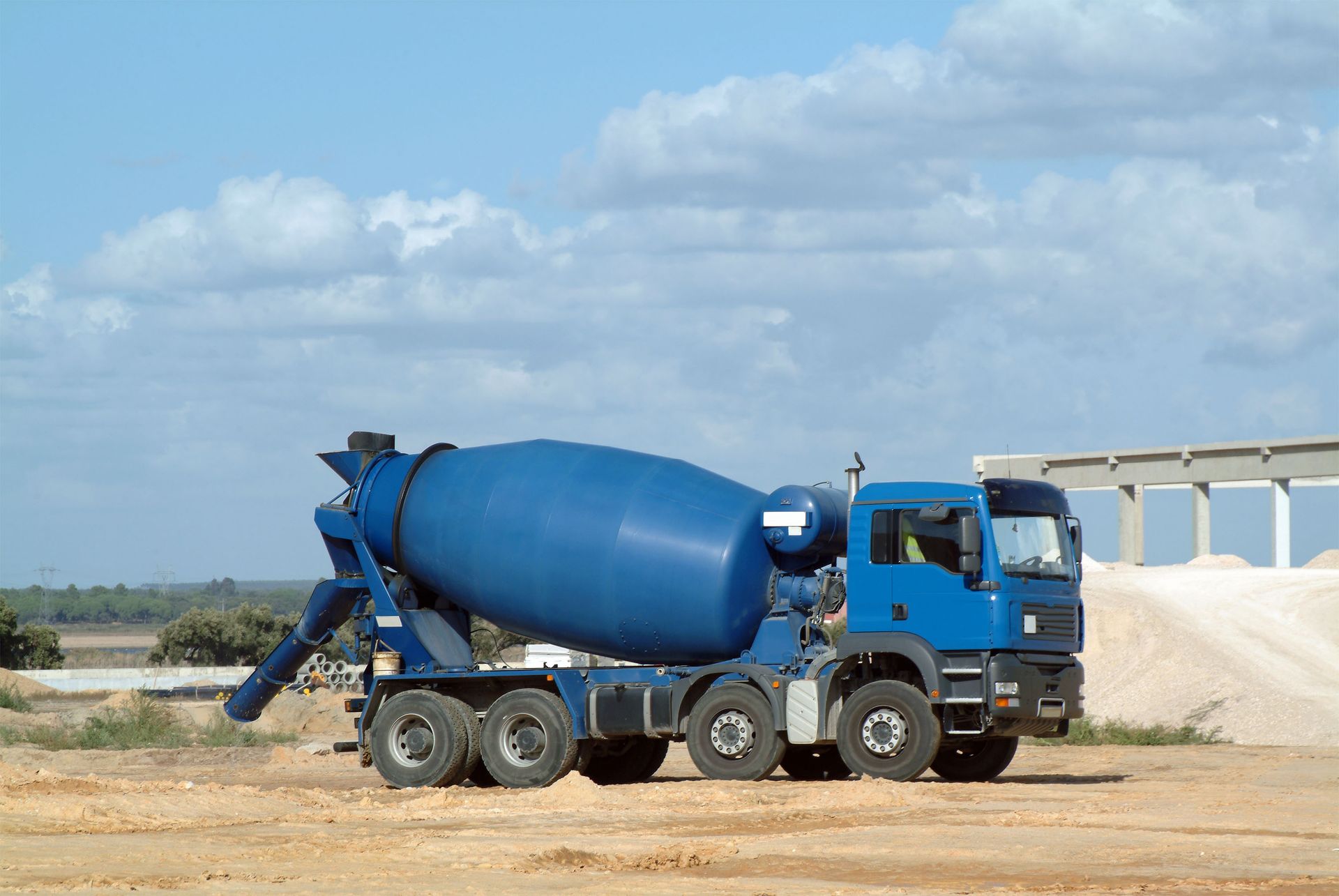
Concrete equipment assists with specialized construction applications, while forklifts facilitate the movement of heavy materials. Aerial lifts provide access to elevated work locations when appropriate working platforms are necessary.
Using equipment rental services gives contractors flexibility when selecting machinery for these applications. Rather than depending on equipment that may not adequately match project specifications, businesses can evaluate options according to operational requirements.
Managing Construction Budgets Through Flexible Equipment Access
Construction businesses must manage expenses while maintaining the resources necessary to complete projects. Equipment purchases can represent significant financial commitments, particularly when specialized machinery is required for temporary applications.
Ownership expenses extend beyond purchasing costs. Businesses may also encounter insurance, storage, maintenance, transportation, and depreciation expenses. These obligations can affect financial planning, especially when machinery remains unused between projects.
An equipment rental strategy provides an alternative for contractors who need machinery without assuming every long-term ownership expense. Rental arrangements allow businesses to evaluate equipment costs according to anticipated project duration and operational requirements.
Frequently used machinery may justify ownership, particularly when contractors maintain consistent workloads requiring similar equipment. Specialized machines used occasionally may present stronger rental opportunities.
Minimizing Project Delays Through Equipment Planning
Construction schedules depend on labor availability, materials, machinery, and suitable working conditions. Delays involving essential equipment can affect multiple activities and complicate coordination between construction crews.
Equipment shortages may require businesses to postpone excavation, material handling, concrete preparation, or other operations. These interruptions can influence subsequent activities that depend on completing earlier project phases.
Coordinating equipment rental arrangements with construction schedules helps contractors prepare for anticipated machinery requirements. Identifying equipment needs during project planning supports organized resource allocation and reduces uncertainty surrounding machinery availability.
Communication with rental providers is particularly important when projects require specialized equipment. Contractors benefit from confirming availability, transportation arrangements, rental periods, and relevant machinery specifications.
Rental availability cannot eliminate every potential delay. Weather conditions, site restrictions, workforce limitations, and unexpected changes may still affect construction progress.
Nevertheless, thoughtful equipment planning helps businesses address machinery requirements before they interfere with scheduled operations.
Improving Workforce Efficiency Through Appropriate Equipment
Construction productivity depends on how effectively workers complete assigned responsibilities. Equipment limitations may increase manual handling requirements, complicate material transportation, or create interruptions between tasks.
Providing machinery designed for specific construction applications can help crews perform their work efficiently. Forklifts assist with transporting heavy materials, while skid steers support movement and loading activities across suitable construction environments.
Aerial work platforms provide access to elevated locations when selected and operated according to applicable requirements. Excavators and compaction machinery also support specialized tasks requiring appropriate mechanical capabilities.
Through equipment rental, contractors can access machinery that complements workforce capabilities and project requirements. This flexibility is particularly useful when temporary assignments require equipment outside a company’s permanent inventory.
Appropriate machinery also supports workplace safety when operated by trained and authorized personnel. Contractors must evaluate site conditions, equipment limitations, operator qualifications, and applicable safety requirements.
Effective equipment selection does not replace proper supervision or workforce planning. Instead, it provides construction teams with resources that support organized and productive operations.
Increasing Operational Flexibility Through Rental Solutions
Construction businesses frequently encounter changing project requirements. A contractor may need excavation equipment for one assignment, aerial access machinery for another, and concrete equipment for a separate project.
Maintaining ownership of every specialized machine may not be practical, especially when certain equipment is required occasionally. Expanding permanent inventories also introduces storage, maintenance, and financial responsibilities.
Flexible equipment rental options allow contractors to respond to varying operational demands without purchasing machinery for every application. Businesses can evaluate equipment needs according to individual projects and adjust resources as workloads change.
This adaptability becomes valuable when contractors accept assignments involving unfamiliar requirements or temporary increases in activity. Rental access provides opportunities to obtain suitable machinery without permanently expanding equipment inventories.
Rental arrangements may also help businesses evaluate machinery capabilities before making future purchasing decisions. Experience with different equipment types can provide useful information about operating requirements and practical applications.
Strengthening Long-Term Performance Through Strategic Equipment Decisions
Efficient construction operations require more than machinery availability. Contractors must evaluate equipment utilization, maintenance responsibilities, workforce requirements, and financial considerations when developing long-term business strategies.
A balanced approach may involve owning frequently used equipment while renting machinery required for specialized applications. This arrangement helps businesses maintain essential resources without accumulating unnecessary equipment.
Reviewing equipment usage patterns provides valuable insight into purchasing decisions. Contractors can identify which machines consistently support operations and which remain unused for extended periods.
Strategic equipment rental decisions can also support business growth by allowing contractors to pursue projects requiring different machinery capabilities. Instead of making substantial purchases before accepting specialized assignments, businesses can evaluate available rental options.
Long-term efficiency depends on aligning equipment access with operational priorities. Contractors who regularly assess machinery requirements may be better positioned to manage costs, maintain productivity, and respond to changing construction demands.
Building More Efficient Construction Operations With Rental Equipment
Construction efficiency depends on effective planning, appropriate machinery, and coordination of available resources. Contractors who evaluate equipment requirements carefully can reduce unnecessary ownership obligations while maintaining access to machinery suited to their projects.
Rental solutions support excavation, material handling, concrete work, elevated access, and other construction applications. They also provide flexibility when project requirements change or specialized machinery is needed temporarily.
Although renting does not eliminate every equipment-related responsibility, it can simplify resource management and help contractors concentrate on completing construction projects. The greatest benefits come from selecting machinery that matches project specifications, operational schedules, and financial priorities.
At ABC Equipment Rental, we understand the importance of dependable machinery for construction projects. We offer equipment options for excavation, material handling, elevated access, concrete work, and other construction applications. Our team can help you explore available machinery and identify rental solutions that align with your project requirements. Contact us to discuss your upcoming construction needs and learn how we can support your operations.

Share On: