Earthmoving Equipment Guide: Matching Excavators and Skid Steers to Your Project Scope
In the world of construction and earthmoving, choosing the right equipment is crucial for project efficiency and success. Partnering with equipment rental businesses allows contractors to access modern machinery without massive capital expenditures. This guide will provide insights into how excavators and skid steers can be effectively matched to your project's specific requirements, ensuring productivity and cost-effectiveness. With the increasing complexity and scale of construction projects, understanding the capabilities and limitations of various earthmoving equipment becomes essential. As construction technology advances, operators must stay informed about equipment performance to maximize their investment. This guide delves into the critical aspects of selecting and utilizing excavators and skid steers for optimal project outcomes.
Exploring Excavators and Skid Steers
Understanding Overview and Applications of Excavators
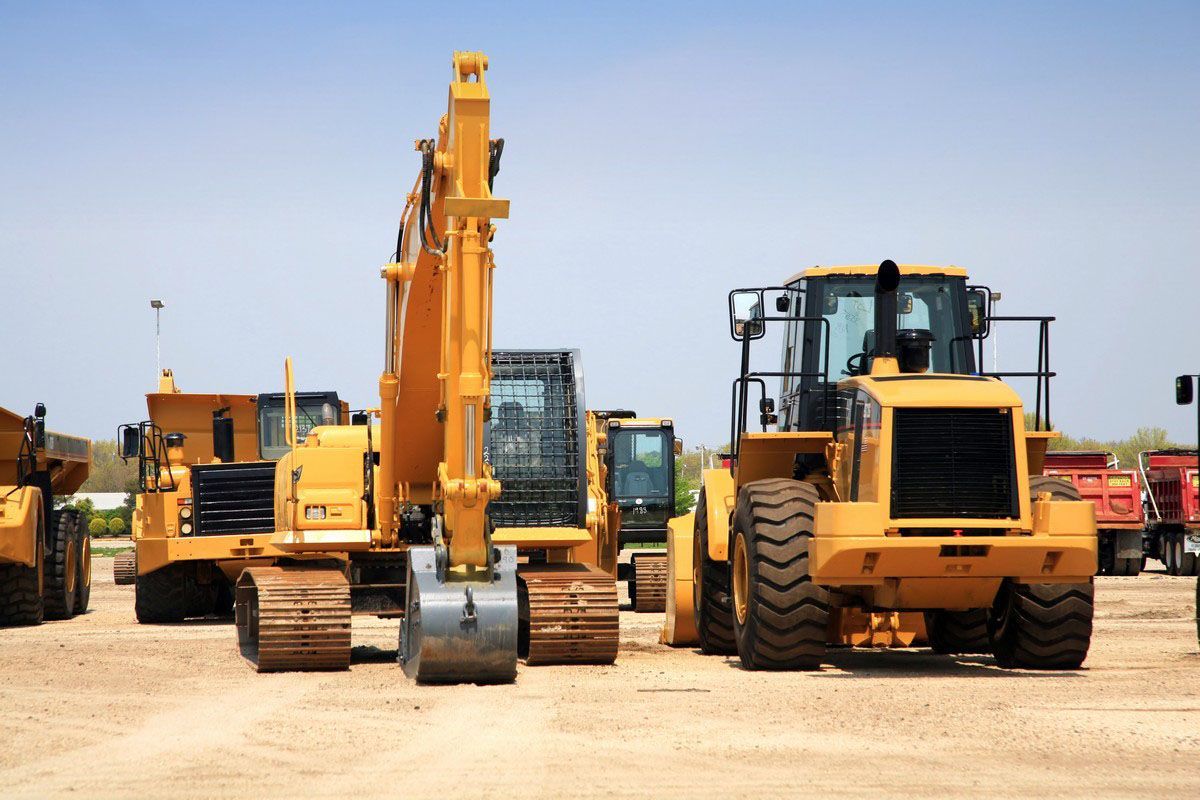
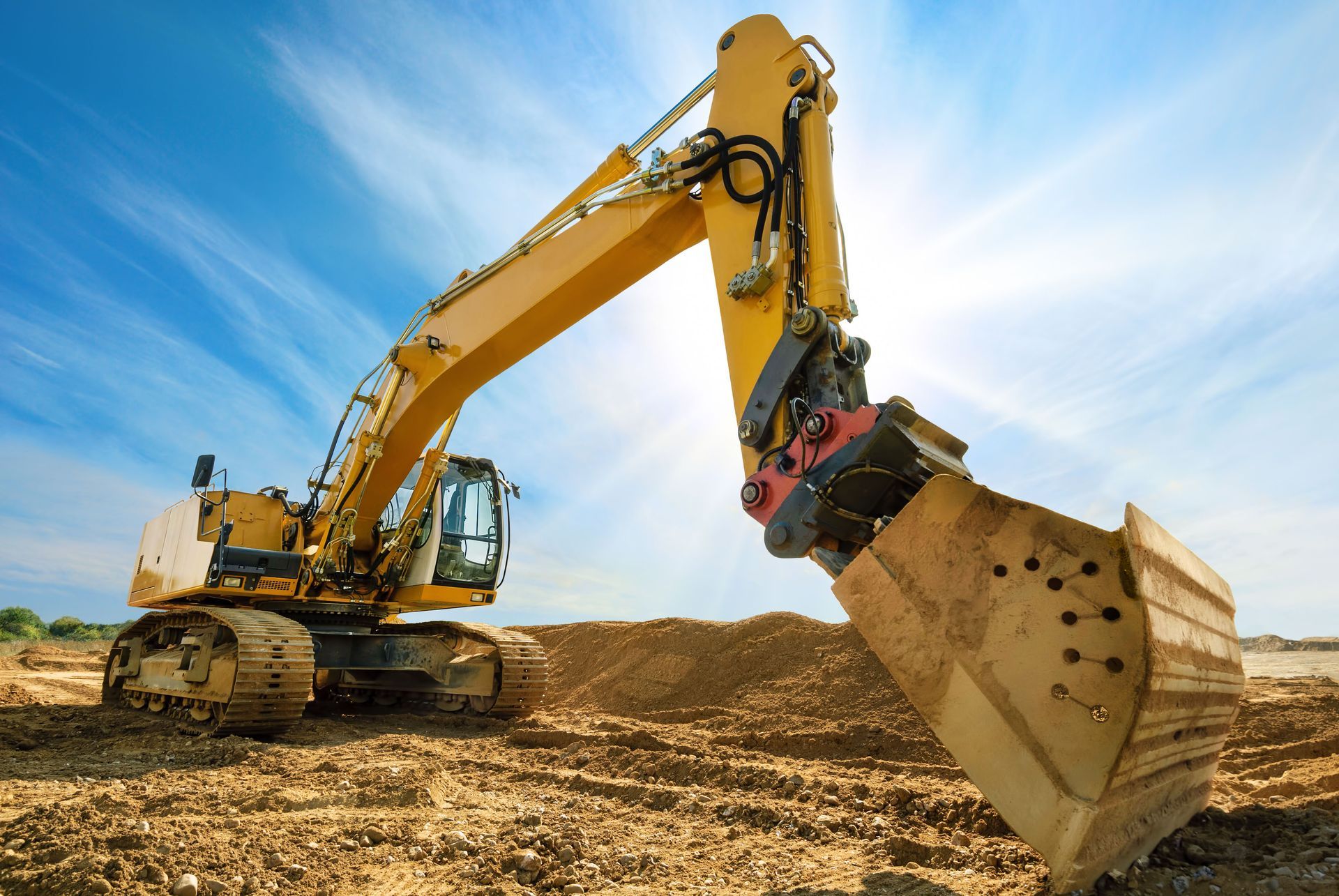
Excavators are essential pieces of machinery in the construction and earthmoving sector, known for their versatility and adaptability. They are equipped with a boom, stick, and bucket, allowing them to perform a variety of tasks such as digging, lifting, and loading materials. These machines come in various sizes and capacities, ranging from mini excavators for smaller-scale tasks to large tracked models capable of handling significant earthmoving operations. Top equipment rental businesses frequently maintain vast fleets of excavators to accommodate various job sizes. The versatility of excavators is further enhanced by various attachments that can replace the bucket, such as augers, breakers, and grapples, which expand their range of applications. Understanding the specific requirements of your project is paramount in choosing the right excavator for the job.
Understanding Overview and Applications of Skid Steers
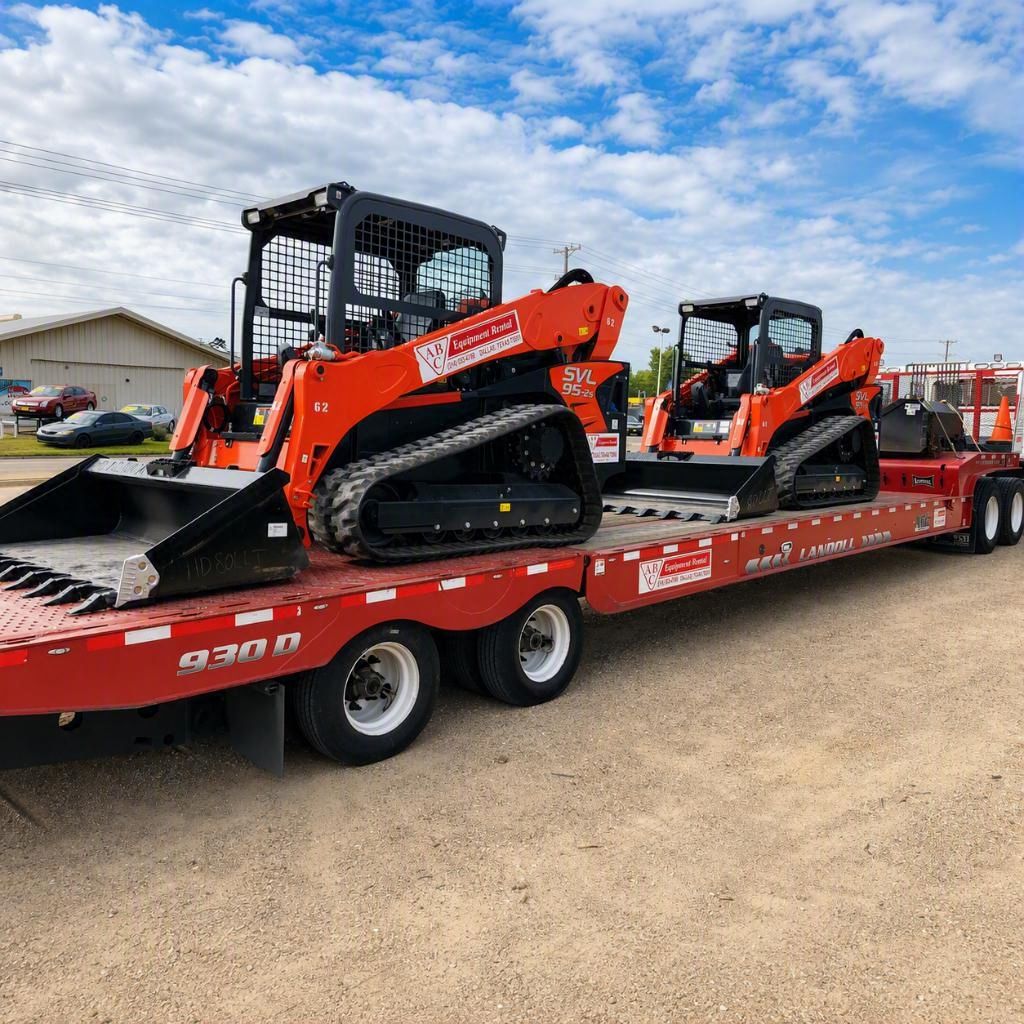
Skid steers are compact, versatile loaders characterized by their small size, agility, and ability to turn within their own footprint, making them ideal for tight spaces. They come with either four-wheel or track configurations, fitting different terrain conditions and project needs. Skid steers are invaluable in construction due to their ability to perform a multitude of tasks when equipped with the appropriate attachments, such as grading, backfilling, and debris removal. Many equipment rental businesses highlight skid steers as their most frequently rented units due to their immense job site versatility. Their compact design does not compromise their power, as they are capable of high-performance tasks that contribute to project efficiency. As part of a broader equipment strategy, skid steers offer flexibility and efficiency in both large and small construction projects.
Identifying Primary Construction Uses for Skid Steers
Skid steers find their niche in projects where space and adaptability are key concerns. Their compact size and agile movement make them ideal for urban construction sites, where navigability and footprint are restricted. Common tasks include site clearing, landscaping, material transportation, and light demolition, facilitated by a wide range of available attachments. Local equipment rental businesses serve as vital resource hubs by providing quick access to specialized skid steer attachments on demand. The adaptability of skid steers enables construction teams to utilize them in various phases of the project, bridging gaps between larger, more specialized machinery. Furthermore, in environments where large equipment may be impractical, skid steers provide an efficient alternative, contributing to overall project efficiency and effectiveness.
Evaluating Specific Project Requirements
Assessing Overall Project Size and Scale
The project scope, defined by size and scale, plays a pivotal role in equipment selection. For extensive projects covering large areas or involving significant earth removal, excavators are often preferred due to their power and capacity. On the contrary, smaller-scale projects or those restricted by spatial constraints might benefit from the compact design and agility offered by skid steers. Project managers frequently consult with equipment rental businesses to determine the precise machine tonnage required for their scope. Proper assessment of the project's dimensions, workload volume, and detail is essential in deciding which equipment aligns best with project goals. Effective matching of earthmoving machinery ensures that operations are carried out efficiently, reducing downtime and preventing resource wastage.
Analyzing On-Site Terrain and Surface Conditions
Terrain and site conditions are critical considerations when selecting the appropriate earthmoving equipment. Excavators, with their stable crawlers, excel on rough, uneven grounds, providing the traction and stability needed for digging and transporting heavy materials. Conversely, while skid steers with tracks offer versatility over softer or more delicate terrains, those with wheels may perform better on firm, flat surfaces. Evaluating the specific soil type, gradients, and any on-site obstacles should inform the choice between these machines. Each piece of equipment presents unique advantages depending on environmental contexts, and experienced equipment rental businesses can provide tailored guidance based on regional soil conditions. Making a thorough site analysis remains fundamental in the initial planning stages.
Balancing Overall Budget Considerations and Costs
Establishing a realistic budget tends to be a driving force behind equipment selection. The upfront costs, maintenance requirements, and operational expenses of each machine differ, necessitating a detailed cost-benefit analysis. Excavators generally require a larger initial investment but offer significant returns in productivity for larger projects, while skid steers are more affordable alternatives for smaller operational scales. Commercial equipment rental businesses offer flexible short-term and long-term leasing options that allow contractors to preserve capital. According to Equipment Finance News and the American Rental Association, the equipment rental market was projected to grow to nearly $82.6 billion in 2025, reflecting a 5.7% growth, underscoring the financial advantages and flexibility that rentals add to budgetary planning. Balancing financial commitments with project needs is vital to achieving cost-effective and successful project outcomes.
Selecting the Ideal Excavator
Choosing the Correct Machine Size and Class
Determining the appropriate size and class of an excavator involves careful analysis of project demands. A wide range of models are available, from compact units for restricted areas to large excavators for significant earthmoving tasks. The intended use, expected workloads, and site conditions significantly impact the selection process, with larger machines offering enhanced reach and capacity. Functionality, efficiency, and the task-specific suitability of equipment are all enhanced by choosing the right class. Commercial equipment rental businesses maintain diverse inventories across all weight classes to match exact job specifications. The most effective outcome is achieved when equipment capabilities align with operational needs, reflecting the importance of informed decision-making in project planning.
Matching Attachment Options and Compatibility
A major advantage of excavators is their adaptability through attachments, which transform them into multifunctional tools. The compatibility and range of attachments, from augers to hydraulic breakers, allow operators to perform specialized tasks efficiently. Project-specific considerations, such as required functions or changing operational demands, can guide the selection of suitable attachments for any given task. Understanding the breadth of available equipment configurations aids in maximizing machine utility, reducing downtime, and improving operational fluidity. Successful equipment pairing relies on recognizing and leveraging these modular capabilities to enhance project efficiency.
Evaluating Brand Reputation and Support Networks
The reputation of the equipment brand and the quality of dealer support are crucial considerations in any purchasing decision. Established brands often guarantee reliability, performance, and durable solutions across various applications, benefiting from years of innovation and research. Quality dealer support ensures that maintenance, spare parts, and technical assistance are accessible, minimizing downtime and operational disruptions. A strong support network can also facilitate access to demonstrations, training programs, and equipment updates, which maintain peak performance across the lifespan of the machinery. Selecting a reputable brand with exemplary dealer support offers lasting value and operational confidence.
Selecting the right earthmoving machinery requires a thorough understanding of project scope, site conditions, budget limits, and operational requirements. By carefully evaluating whether an excavator, a skid steer, or a combination of both is required, project managers can optimize productivity and control costs effectively. Establishing strong relationships with reputable equipment rental businesses offers access to flexible, high-performing machinery tailored to dynamic project needs. As construction technology and environmental standards continue to evolve, staying informed on equipment capabilities and maintenance practices ensures long-term operational success and project efficiency. Contact ABC Equipment Rental today for more information.

Share On: