
Generator 101: What Homeowners Should Know Before Renting
Power outages can happen without warning due to severe seasonal storms, unexpected grid failures, or planned utility maintenance. When residential power lines go down, having a temporary source of electricity protects food supplies, runs essential sump pumps, and keeps medical devices operational. Renting a generator offers an accessible, practical way to maintain residential power without the substantial financial investment and ongoing upkeep of purchasing heavy machinery. Working with a reliable provider gives homeowners access to safe, clean, and properly maintained machinery right when they need it most.
Why Homeowners Choose Equipment Rental Over Purchasing
Purchasing a backup generator involves high upfront machinery costs, regular oil changes, routine battery replacements, and bulky storage requirements. For many homeowners, a power outage is an infrequent event, meaning an owned unit sits idle in a garage or shed for months or years at a time. Fuel left inside stored machinery deteriorates quickly, which often causes engine failure when an emergency strikes.
Choosing an equipment rental provides instant access to fully serviced machinery that is tested, fueled, and ready for immediate service. In addition to personal convenience, renting machinery supports environmental and economic efficiency on a broader scale. According to Anthesis Group, rental business models, as used in construction equipment, can reduce carbon footprints by up to 30%, due to more efficient equipment use, shared assets, and improved utilization rates. This model allows communities to share high-performance resources responsibly while saving individual households from unnecessary maintenance headaches.
How To Determine Your Household Power Requirements
Selecting the right generator starts with calculating the precise wattage your home needs. Generators produce two distinct types of wattage ratings: running watts and starting watts. Running watts represent the continuous electrical power needed to keep an appliance operating, while starting watts represent the momentary surge required to start motorized equipment.
To determine the appropriate generator size, homeowners should take note of standard appliance demands:
- Refrigerators and freezers typically require between 600 and 800 running watts, with an additional surge demand of 1,200 to 1,500 starting watts when the compressor kicks on.
- Sump pumps generally require 800 to 1,050 running watts, accompanied by an initial starting surge between 1,300 and 2,150 watts to clear groundwater during intense storms.
- Portable heaters, box fans, and basic household light circuits require between 100 and 1,500 continuous running watts depending on the room size.
- Essential medical equipment, portable radios, and personal communications devices require between 50 and 300 running watts to stay active.
Underestimating total power needs can trip generator circuit breakers or damage sensitive home electronics, while renting an oversized unit wastes fuel unnecessarily. A professional provider can review these specific wattage calculations with you to select an appropriate unit.
Why Certified Electricians Must Handle Transfer Switches
Connecting a generator directly into a home wall outlet—a dangerous practice called backfeeding—is extremely hazardous, illegal, and potentially fatal. Backfeeding sends electricity backward through household wiring and into neighborhood power lines, posing a deadly shock hazard to utility technicians working down the street to restore local service.
Homeowners planning to run furnace fans, water heaters, or interior lighting circuits through their home breaker panel must hire a licensed, certified electrician to install a dedicated transfer switch. Transfer switches isolate internal home circuits from the main electrical utility lines, directing backup power safely into your distribution panel. Licensed electrical contractors verify that grounding rods, circuit breakers, and connection boxes comply with all regional electrical building codes. Homeowners should never attempt electrical panel modifications on their own.
How To Position and Refuel Rental Machinery Safely
Generator exhaust contains carbon monoxide, a colorless, odorless, and poisonous gas that causes severe injury or death if inhaled. Safe operation requires strict adherence to physical positioning guidelines:
- Place the running generator on dry, level ground outdoors, keeping it at least twenty feet away from all home windows, open doors, and building vents.
- Direct the exhaust pipe away from your residence, outdoor living spaces, and neighboring properties at all times.
- Install battery-powered carbon monoxide alarms on every living level of your home, testing each alarm before starting the machine.
- Keep the machine shielded from falling rain and snow by using an approved, open-sided protective cover rather than operating it inside an enclosed garage, porch, or carport.
Refueling portable machinery also demands strict attention to basic fire safety. Always shut off the engine and allow the unit to cool down for ten to fifteen minutes before adding fresh fuel. Spilling cold gasoline or diesel on a hot engine block or exhaust manifold can cause sudden fires. Homeowners must store extra fuel in approved safety containers, placed far away from heat sources, water heaters, and the generator itself.
How To Select the Right Extension Cords
If you are not powering household appliances through a professionally installed transfer switch, heavy-duty extension cords are necessary to deliver electricity from the outdoor generator into the house. Standard, lightweight household extension cords cannot handle high currents and will overheat, creating severe fire hazards.
Always use outdoor-rated, heavy-duty extension cords labeled with a three-pronged grounding plug. Wire gauge size determines how much electrical current a cord carries safely across distances. Lower gauge numbers indicate thicker wires capable of carrying heavier electrical loads. For appliances with higher wattage requirements, such as refrigerators or heavy pumps, choose a 10-gauge or 12-gauge cord. Verify that each cord is free of cuts, exposed wires, or damaged plug ends before plugging any equipment into the generator.
Why Professional Delivery and Pickup Services Make Sense
Transporting heavy machinery presents logistical challenges for everyday homeowners. Commercial generators, compaction equipment, excavators, and industrial machinery weigh hundreds of pounds and require proper lifting gear, secure tie-down straps, and dedicated trailers. Attempting to lift or move heavy equipment without proper handling tools risks personal injury and vehicle damage.
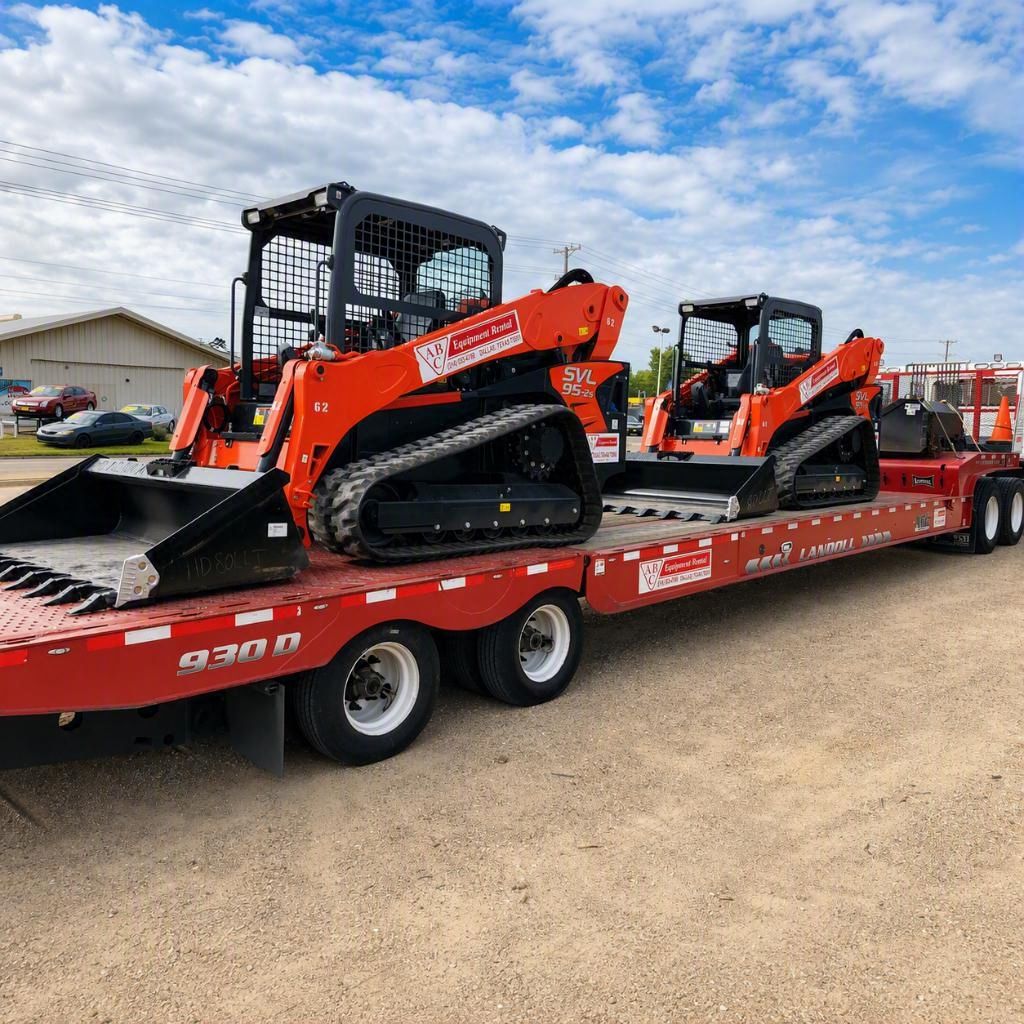
Working with an established equipment rental provider that offers dedicated delivery and pickup services eliminates transportation headaches. Experienced delivery drivers transport the machinery straight to your driveway or job site using appropriate trailers and securing methods. When your rental contract ends, the provider arrives to haul the machinery away, keeping your workspace clear and saving you the physical labor of hauling heavy equipment across town.
What To Expect During the Equipment Checkout Process
Before signing an equipment rental contract and taking possession of a generator, take time to complete a thorough pre-rental walkthrough with the rental staff. A transparent rental business walks you through machine features, checks fuel levels, and confirms mechanical readiness.
During this checkout process, ask the representative to demonstrate:
- The exact engine starting sequence, including the fuel valve position, choke lever, and electric push-button or pull-cord operation.
- The location and function of all built-in circuit breakers, reset switches, and ground-fault circuit interrupter outlets.
- The required fuel type, recommended octane levels, and proper engine oil check procedures.
- The designated return requirements, such as refueling policies, agreed rental duration, and emergency contact numbers.
Taking five minutes to ask these questions at the counter ensures that you operate the machinery comfortably and correctly throughout your rental period.
Planning Ahead for Seamless Residential Power
Preparation is the foundation of effective emergency management and successful home maintenance. Renting a generator gives homeowners access to modern, reliable power generation without long-term ownership costs or depreciating equipment values. By calculating required appliance wattages in advance, hiring a licensed electrician for panel connections, and adhering to strict outdoor safety rules, you keep your household running smoothly during any utility disruption. Whenever you need dependable temporary machinery, comprehensive advice, and prompt delivery support, contact the helpful staff at ABC Equipment Rental.


Share On: