Preparing Your Site for Landscaping Equipment Rental Delivery
Upgrading a yard or commercial lot adds major curb appeal and long-term property value to any exterior space. According to LawnStarter, properties featuring quality landscaping sell for 5% to 12% higher prices than comparable homes lacking exterior enhancements. Scheduling a professional landscaping equipment rental gives contractors and property owners direct access to commercial-grade excavators, trenchers, Bobcats, and compaction tools without the burden of long-term ownership. Before heavy machinery arrives on a flatbed truck, thorough site preparation prevents property damage, keeps delivery drivers safe, and lets work begin immediately upon drop-off.
Clearing Access Paths and Entry Gates
Heavy delivery trucks and commercial trailers need wide, unobstructed routes to reach your designated drop-off zone safely. Delivery drivers maneuvering large vehicles through residential neighborhoods or commercial lots require ample turning radius and clean straightaways to offload machinery without scraping fences, vehicles, or building exteriors. Taking time to clear entry points before your scheduled arrival window eliminates costly delivery delays and reduces the risk of accidental scrapes on surrounding structures.
- Measure every gate, driveway, and alley along the route to confirm at least 10 to 12 feet of horizontal clearance for standard delivery trailers.
- Trim back low-hanging tree branches, overgrown shrubs, and trailing vines so delivery trucks have a minimum of 14 feet of vertical clearance.
- Move parked cars, recreational vehicles, trash bins, and portable basketball hoops off the street and out of the driveway before the delivery window opens.
- Unlock all perimeter gates, security bollards, and driveway chains, or arrange for an on-site contact to greet the driver upon arrival.
- Check overhead power lines, telephone cables, and carport roofs along the approach path so tall truck beds or extended booms clear every overhead obstacle cleanly.
Marking Underground Utilities and Irrigation Lines
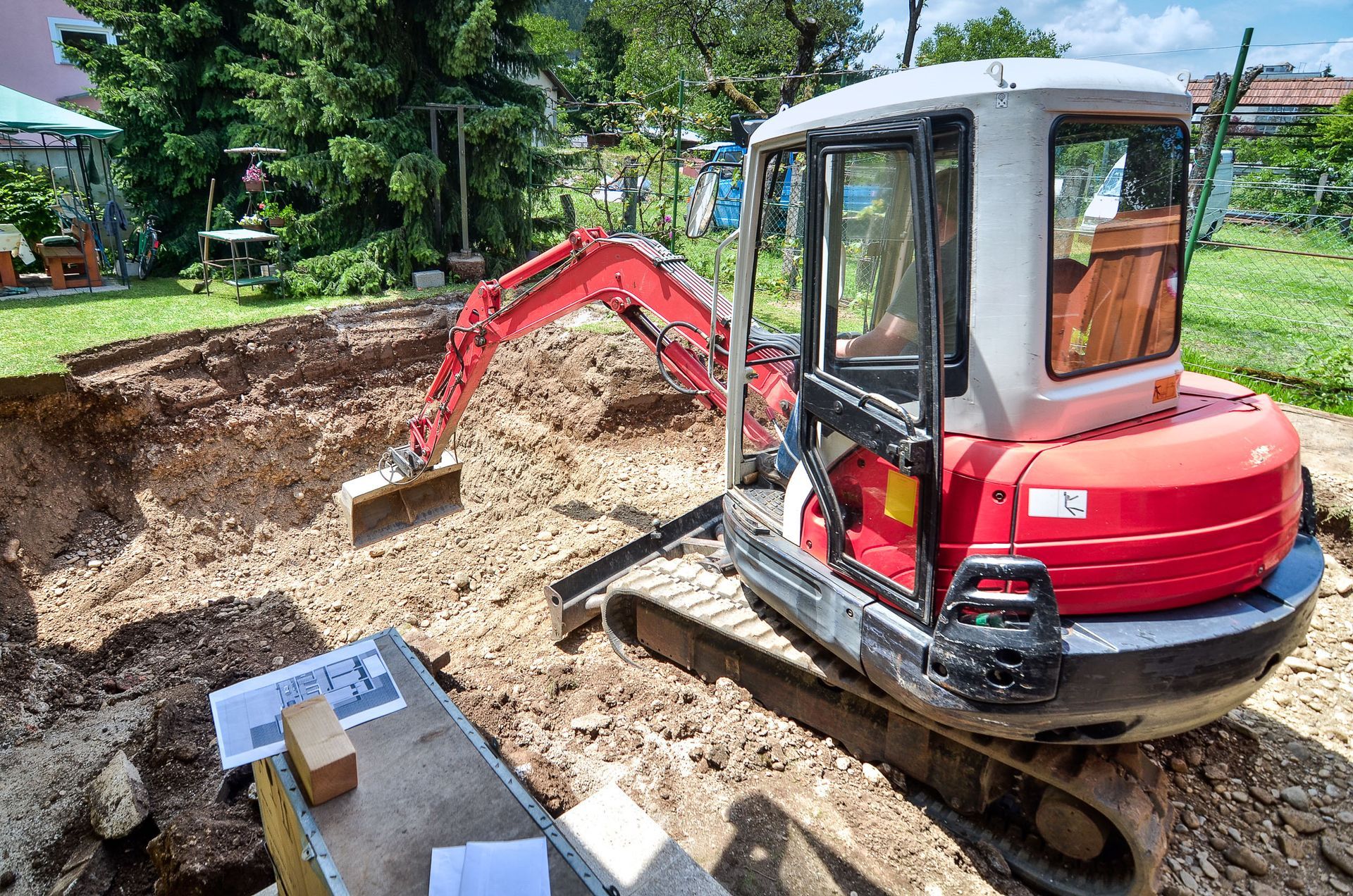
Digging, grading, and trenching with heavy machinery pose serious hazards if buried infrastructure lies hidden beneath the soil surface. Striking a live electrical line, gas main, or municipal water pipe creates severe safety risks, halts project timelines, and triggers expensive municipal repair fines. Even shallow residential sprinkler heads and low-voltage landscape lighting wires suffer costly damage when tracked loaders or heavy trenchers roll across unmarked turf.
- Contact your local utility notification service at least three to five business days ahead of delivery so public utility technicians can locate and mark buried gas, electric, water, and communication lines.
- Place bright, high-visibility flags around private underground features that public utility locators do not mark, including septic tanks, drain fields, pool plumbing, and invisible pet fences.
- Map out and flag all irrigation valve boxes, sprinkler heads, and drip lines across the work zone so operators know where to steer around fragile plastic piping.
- Keep colored utility flags and spray paint markings intact until the landscaping equipment rental is picked up at the end of the project.
Stabilizing Ground Conditions and Staging Areas
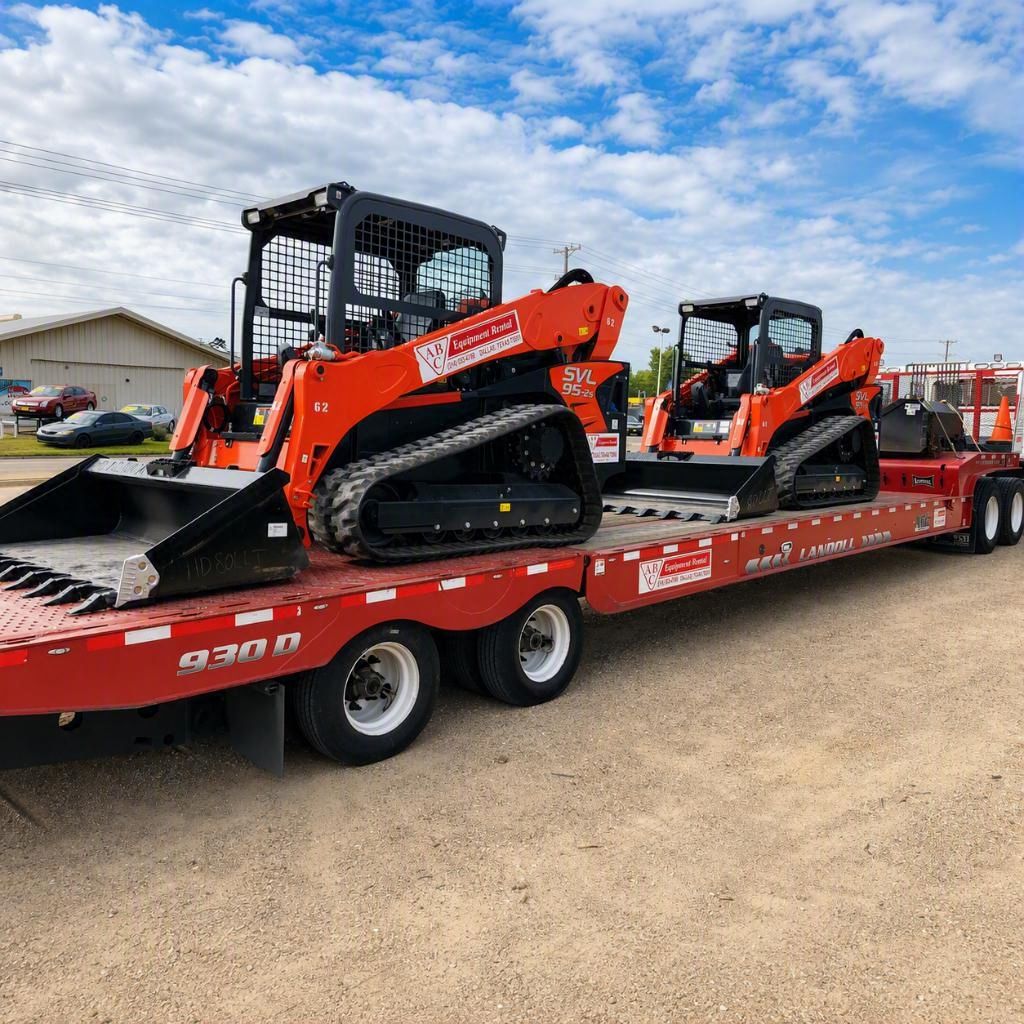
Heavy machinery exerts tremendous ground pressure, which quickly turns soft soil, saturated lawns, or steep slopes into deep ruts and unstable work zones. Flatbed trucks and tilt-deck trailers also require firm, level footing to lower ramps safely and unload tracked or wheeled equipment without tipping. Preparing a stable staging zone protects existing turf, concrete driveways, and hardscapes from cracking or sinking under heavy loads.
- Select a flat, level staging area with firm soil or solid pavement where the delivery driver can lower trailer ramps safely and unload machinery without excessive incline.
- Lay down thick plywood sheets, heavy-duty ground protection mats, or timber cribbing across soft grass and delicate paver walkways to distribute equipment weight evenly.
- Turn off automatic sprinkler systems at least 48 hours before delivery so topsoil dries out and firms up enough to support heavy tires and rubber tracks.
- Check local weather forecasts ahead of your scheduled drop-off and communicate with your rental provider if heavy rain turns the staging zone into deep mud.
- Mark the exact drop-off spot with traffic cones or stakes so the driver knows precisely where to position the unit even if you step away briefly.
Securing Pets, Bystanders, and Property Hazards
Active delivery zones involve loud diesel engines, swinging hydraulic ramps, and shifting heavy loads that demand strict perimeter control. Children, pets, and neighbors often gather near driveways out of curiosity when large equipment trucks pull up to a property. Establishing a clear safety perimeter protects everyone on-site and allows delivery drivers to focus entirely on unloading and positioning your machinery.
- Confine all dogs and outdoor pets inside the house or inside a secure, fenced backyard well away from the driveway and unloading zone.
- Inform household members, tenants, or neighboring businesses about the scheduled delivery window so foot traffic stays clear of the staging area.
- Pick up loose yard debris, toys, garden hoses, rocks, and stray lumber that could get caught in tracks or create tripping hazards during unloading.
- Designate one adult representative to meet the delivery driver, inspect the equipment condition, review basic operating controls, and sign the delivery paperwork.
Planning Fuel Storage and Operational Logistics
Once your machinery sits safely in the staging zone, having fuel supplies, attachments, and operator gear ready keeps your schedule moving without unnecessary pauses. Equipment rental companies deliver machinery with full tanks, and returning units fueled up avoids extra refueling fees at pickup. Organizing your workspace logistics ahead of time also prevents wasted rental hours spent searching for accessories or clearing space mid-project.
- Set up a ventilated, shaded storage spot away from open flames and direct sunlight for approved diesel or gasoline safety cans.
- Confirm that any rented attachments—such as augers, trenching chains, or bucket grapples—have dedicated staging space next to the primary machine.
- Gather essential personal protective equipment, including steel-toed boots, heavy work gloves, eye protection, and hearing protection, before the machine arrives.
- Keep your rental agreement, delivery receipt, and the rental office phone number accessible in case you need to extend your rental period or request support.
- Inspect hydraulic hoses, fluid levels, and safety decals alongside the delivery driver before operating the machine so any pre-existing wear is documented on your contract.
Coordinating Smooth Pickup and Final Site Readiness
Preparing your site works in both directions, as the same clear pathways and firm ground conditions are required when the delivery truck returns to haul the machinery away. Scheduling your pickup proactively and restoring the staging area before the driver arrives prevents extra rental day charges and keeps your property organized. Following a consistent closing routine wraps up your exterior project cleanly and safely.
- Park the machinery in the original flat, accessible staging zone with attachments lowered to the ground and parking brakes engaged.
- Clean excess mud, packed clay, and tangled roots off tracks, tires, and buckets before the pickup window begins.
- Refill the fuel tank completely with the proper fuel grade specified on your rental contract to avoid refueling charges upon return.
- Re-verify that driveways, gates, and street access remain completely clear of vehicles and debris for the returning transport trailer.
- Remove temporary ground protection mats or plywood sheets only after the transport truck has loaded the machine and exited your property safely.
Proper site preparation turns equipment delivery and pickup into a predictable, stress-free phase of any outdoor improvement project. Clearing access routes, marking buried lines, stabilizing soft ground, and organizing fuel logistics protect your property while maximizing every hour you have the machinery on-site. Whether you are grading a residential yard or clearing a commercial lot, taking these practical steps sets your project up for smooth execution from drop-off to final pickup. Contact ABC Equipment Rental today to request a free same-day quote and schedule your next landscaping equipment rental delivery.
Share On: