The Ultimate Guide to Choosing the Right Compaction Equipment for Your Project
Every successful construction project starts from the ground up — literally. Before concrete is poured or structures are raised, the soil beneath must be properly compacted to create a stable, load-bearing foundation. Without effective compaction, projects risk uneven settling, cracking, structural instability, and costly repairs down the road. Choosing the right equipment is not just about efficiency; it directly impacts safety, timelines, and long-term durability. Whether you’re preparing a residential driveway, constructing a commercial building, or developing large-scale infrastructure, selecting the proper machinery is essential.
For many contractors, compaction equipment rental offers the flexibility and cost control needed to stay competitive. This trend reflects a broader shift toward strategic equipment planning that balances performance with financial responsibility. This guide will walk you through the critical factors to consider when selecting compaction equipment so you can make informed decisions for your next project.
Understanding Soil Compaction to Build a Stable Foundation
Soil compaction is the process of increasing soil density by reducing air voids between particles. Proper compaction improves load-bearing capacity, minimizes water infiltration, and reduces the likelihood of shifting or settling after construction. The type of soil on your site significantly influences equipment selection. Cohesive soils like clay require kneading and impact force to achieve density. Granular soils such as sand and gravel respond better to vibration. Mixed soils may require a combination of techniques to achieve optimal results.
Moisture content is equally important. Too little moisture prevents proper particle bonding, while too much can weaken soil stability. Testing methods such as the Proctor test help determine optimum moisture content and maximum dry density for ideal compaction outcomes. Understanding these fundamentals ensures you select machinery that matches site conditions rather than relying on guesswork.
Evaluating Project Scope to Match Equipment Size
Project size plays a major role in determining the right equipment. Small residential or landscaping jobs often require lightweight machines that can maneuver in tight spaces. Larger commercial, roadway, or industrial projects demand heavy-duty equipment capable of compacting thick soil layers across expansive areas. Light compaction equipment, such as rammers and plate compactors, is ideal for sidewalks, patios, trenches, and confined areas. These machines are easy to transport and operate, making them perfect for precision work.
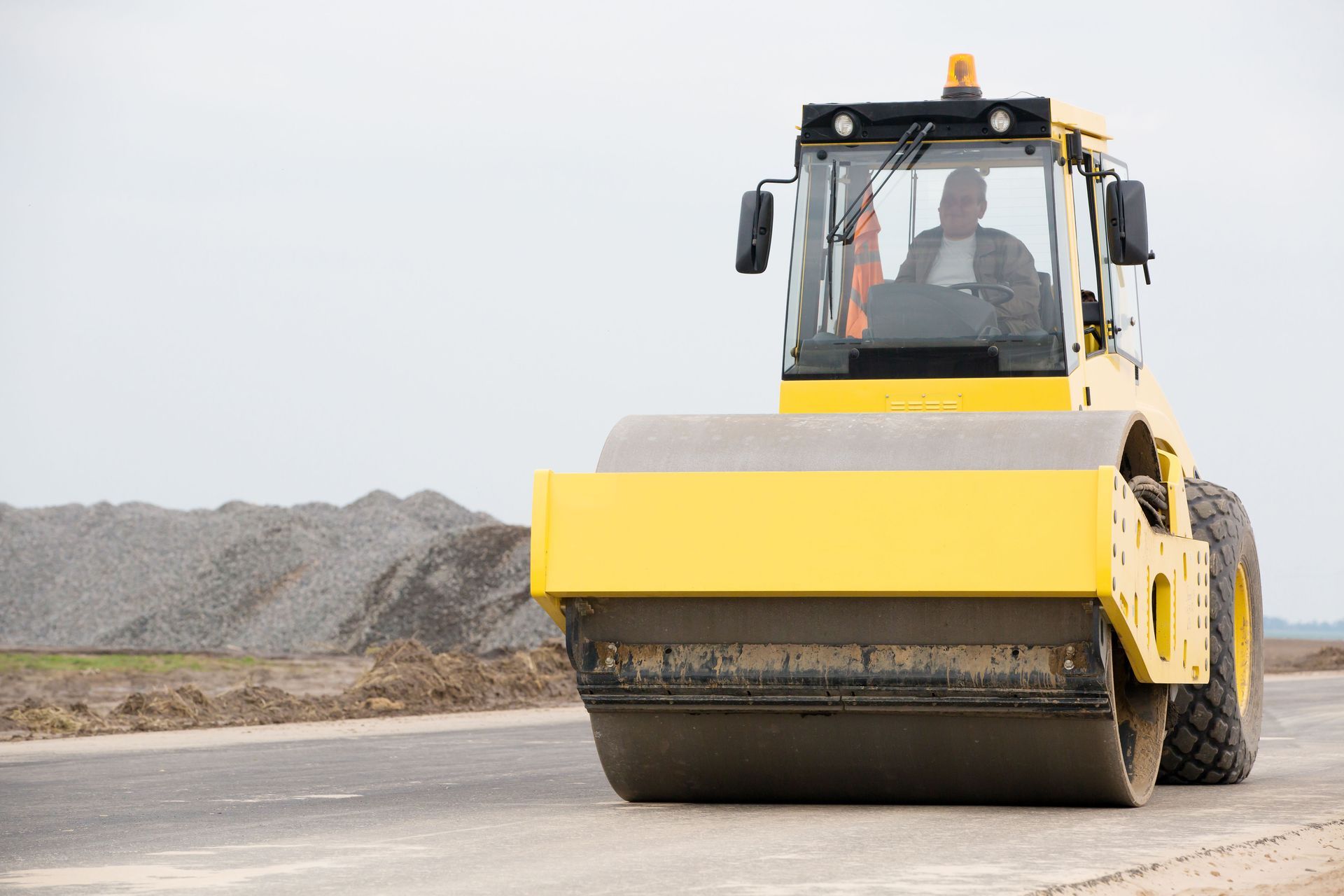
Heavy compaction equipment, including single-drum and double-drum rollers, is better suited for highways, parking lots, and large foundations. These machines provide deeper and more uniform compaction, ensuring durability under heavy loads. Opting for compaction equipment rental allows contractors to scale equipment selection according to project size without the burden of ownership costs.
Comparing Light and Heavy Equipment for Efficiency
Light and heavy compactors serve different purposes, and understanding their strengths ensures optimal productivity. Light equipment offers flexibility and precision. Plate compactors are excellent for granular soils and smaller areas, while rammers are effective for cohesive soils in trenches or narrow spaces. These machines are cost-effective for short-term or smaller projects.
Heavy equipment delivers power and coverage. Vibratory rollers use both weight and vibration to achieve thorough compaction in large areas. Static rollers rely primarily on machine weight and are often used when minimizing vibration impact is critical, such as near existing structures. Choosing between these options depends on soil composition, required compaction depth, and project deadlines. With compaction equipment rental, contractors can test various machines to determine which delivers the best results for specific conditions.
Considering Budget and Cost Efficiency for Smart Planning
Budget constraints are a reality for every construction project. Purchasing compaction machinery involves significant upfront investment, along with ongoing maintenance, storage, and depreciation costs. That’s why compaction equipment rental has become a preferred strategy for many firms. Renting eliminates long-term financial commitments and provides access to modern equipment without large capital expenditures.
According to Reservety, 84% of construction companies in the United States rent equipment instead of buying it. This approach allows companies to preserve cash flow, reduce maintenance responsibilities, and adapt quickly to changing project needs. Rental agreements often include maintenance support, ensuring machines remain in peak condition throughout the project. This minimizes downtime and enhances overall productivity.
Assessing Environmental Impact to Promote Sustainability
Modern construction projects must balance performance with environmental responsibility. Compaction equipment can generate emissions, noise, and vibration that impact surrounding communities. Newer machines are designed to reduce fuel consumption and meet stricter emissions standards. Electric and hybrid options are becoming increasingly popular for urban projects where environmental regulations are more stringent.
Noise reduction is another consideration, particularly in residential or commercial zones. Selecting quieter equipment demonstrates professionalism and compliance with local ordinances. By leveraging compaction equipment rental, contractors gain access to the latest eco-friendly technology without investing in equipment that may become outdated as regulations evolve.
Reviewing Technological Innovations to Improve Accuracy
Technology continues to transform the construction industry. Modern compaction machines now feature GPS tracking, automated compaction monitoring, and real-time feedback systems that measure soil density. Intelligent compaction systems help operators achieve uniform results by providing data on coverage patterns and compaction levels. This reduces the risk of over-compaction or under-compaction, saving time and preventing costly corrections.
Remote-controlled compactors enhance safety by allowing operators to work from a distance in hazardous environments. Automated features improve precision while minimizing operator fatigue. With compaction equipment rental, contractors can access cutting-edge machinery equipped with advanced technology — ensuring competitive performance without permanent investment.
Factoring in Operator Skill to Maximize Performance
Even the best equipment requires skilled operators to achieve optimal results. Operator experience directly impacts compaction quality, safety, and project timelines. Before selecting equipment, evaluate your team’s familiarity with specific machinery. Providing training or partnering with rental providers that offer guidance can significantly improve efficiency.
Machine-operated compactors typically offer consistent results across larger areas, while manual compactors may require more labor and oversight. Aligning equipment choice with operator expertise helps prevent delays and ensures consistent compaction standards. Rental providers often supply operational support, giving teams confidence when working with unfamiliar equipment types.
Weighing Long-Term Versus Short-Term Equipment Needs
Construction firms frequently face the decision of renting versus buying equipment. For companies with recurring, long-term projects, ownership may seem attractive. However, long-term ownership also brings maintenance costs, depreciation, storage expenses, and the risk of technological obsolescence. For short-term or specialized projects, compaction equipment rental provides unmatched flexibility. Contractors can select machinery tailored to each job without worrying about resale value or idle inventory.
Rental also allows businesses to respond quickly to unexpected project demands. If soil conditions change or additional capacity is needed, switching equipment is far easier than purchasing new machinery. By evaluating project frequency, duration, and financial goals, companies can determine whether rental aligns with their strategic objectives.
Applying Equipment Solutions Across Project Types
Different projects require distinct compaction strategies. Residential projects benefit from lightweight plate compactors and rammers for driveways, landscaping, and small foundations. These machines provide maneuverability and efficiency in tight areas. Road and highway construction demands heavy-duty rollers capable of deep, uniform compaction. Vibratory rollers ensure pavement durability under constant traffic loads. Commercial and industrial developments often require a combination of light and heavy equipment to address varied soil conditions across large sites.
Infrastructure and civic projects rely on versatile machinery that balances performance, budget efficiency, and environmental compliance. Agricultural and land development projects may require compact, adaptable equipment suited to uneven terrain and expansive fields. In each scenario, compaction equipment rental offers the adaptability necessary to meet diverse demands.
Choosing the right compaction equipment is a foundational decision that directly impacts safety, durability, efficiency, and profitability. From understanding soil composition and project scope to evaluating budget constraints and technological advancements, every factor plays a critical role in achieving optimal results.
With most U.S. construction companies choosing to rent rather than buy, rental solutions provide flexibility, financial control, and access to modern equipment. Whether your project is small-scale residential work or a large infrastructure development, strategic equipment selection ensures stable foundations and successful outcomes. If you’re planning your next project, the team at ABC Equipment Rental is ready to assist you with dependable compaction equipment rental solutions tailored to your specific needs. Contact ABC Equipment Rental today to secure the right machinery and build your next project on solid ground.
Share On: