5 Benefits of Renting Concrete Equipment Over Buying
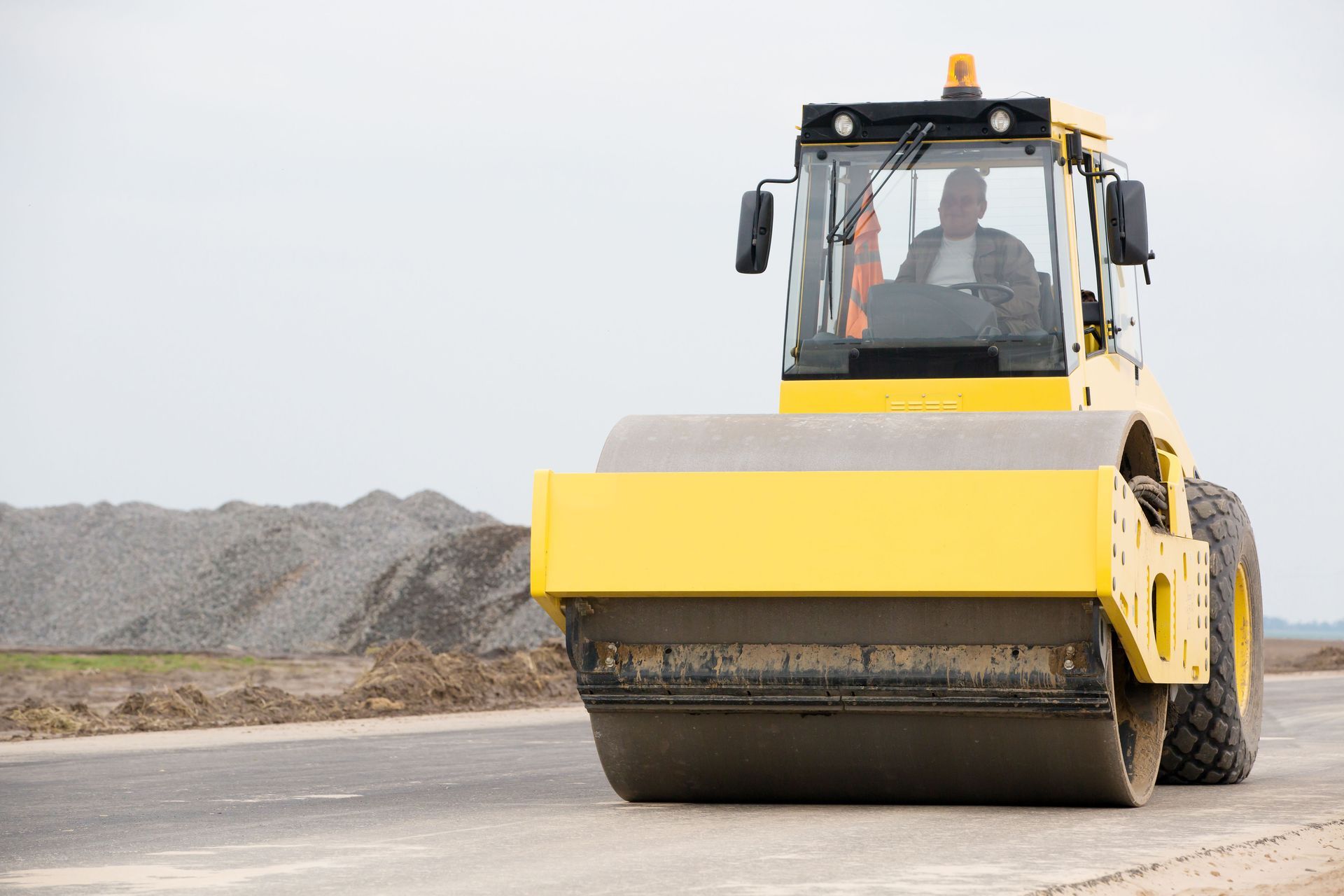
Having access to the right equipment can make a significant difference in project efficiency and cost-effectiveness. When it comes to concrete equipment, businesses often face the decision of renting versus buying. While purchasing may seem lucrative owing to ownership, renting offers substantial benefits that can enhance operational flexibility and financial prudence.
Renting also allows companies to access specialized machinery for specific projects without the long-term commitment of ownership, reduce storage and maintenance burdens, and quickly adapt to fluctuating project demands, ultimately supporting smoother operations and smarter resource management.
1. Financial Flexibility
One of the most significant benefits of concrete equipment rentals is the financial flexibility they offer. Buying equipment outright requires a large upfront investment, which can strain the budget of both small and large businesses. Financing solutions are available, but they often come with interest and can tie up credit lines. Conversely, renting allows companies to preserve capital resources and reallocate them to other critical areas such as workforce development, project expansion, and operational improvements. Rental fees are predictable, often structured on daily, weekly, or monthly terms, and can be easily budgeted as part of project costs, avoiding unforeseen financial burdens that could disrupt cash flow.
2. Access to the Latest Technology
The construction industry is constantly evolving, with new technologies being developed to improve efficiency, safety, and project quality. Owning equipment can mean being locked into specific models for years, potentially missing out on advancements or energy-efficient options. Renting, however, provides access to the latest technology without the commitment of purchase. Rental companies typically update their fleets with modern equipment, ensuring that project managers can benefit from the newest features and enhancements. By leveraging concrete equipment rentals, businesses can maintain a competitive edge, complete projects faster, and often reduce material waste, while offering clients the highest standards of work quality.
3. Reduction in Maintenance Costs
Owning equipment means being responsible for maintenance, repairs, and storage, which can add significantly to the overall cost of ownership. These hidden expenses can quickly accumulate, impacting the bottom line and creating operational delays. Concrete equipment rentals shift the maintenance responsibility to the rental company, often included in the rental agreement at no extra cost. This ensures that businesses aren't only relieved of unexpected repair costs but also assured that the equipment is in optimal working condition. Reliable equipment helps prevent project interruptions, reduces downtime, and frees management to focus on workflow efficiency and meeting deadlines.
4. Scalability and Flexibility
Projects in the construction industry can vary greatly in scope, duration, and equipment requirements. Renting provides the flexibility to scale equipment use according to current project demands without long-term commitments. When a project requires specific concrete machinery for a limited time, concrete equipment rentals provide the perfect solution without the burden of long-term ownership. Additionally, this flexibility supports businesses in becoming more agile, allowing them to adapt quickly to changing market conditions. According to Quipli, industry forecasts indicate that construction equipment rentals will experience roughly 6.2% yearly growth from 2025 through 2030, highlighting an industry-wide shift toward more flexible, responsive equipment solutions that meet the evolving needs of modern construction projects.
5. Elimination of Depreciation Liabilities
Equipment depreciation is a significant financial consideration when purchasing machinery. As equipment ages, its resale value decreases, and the owner must bear the burden of trying to recoup costs upon sale. Renting eliminates the concerns associated with depreciation altogether. Since the equipment is returned once the project is completed, construction businesses avoid the complications associated with resale value and disposition. This factor can contribute significantly to overall financial health, allowing companies to maintain a leaner balance sheet with fewer depreciating assets. Moreover, the predictable cost structure of rentals enables better long-term planning and reduces the risk of financial strain from unexpected equipment replacement.
Concrete equipment rentals present numerous advantages over purchasing. They provide financial flexibility, access to the latest technology, reduced maintenance costs, scalability, and eliminate depreciation concerns. By choosing to rent, companies can effectively manage resources and adapt to an ever-changing industry landscape. As the trend of equipment rental continues to grow, businesses can position themselves for success by leveraging these benefits in their project planning and execution strategies. For reliable and versatile concrete equipment rentals, contact ABC Equipment Rental today to find the perfect solution for your next project.

Share On: