The Business Advantages of Renting an Excavator for Construction
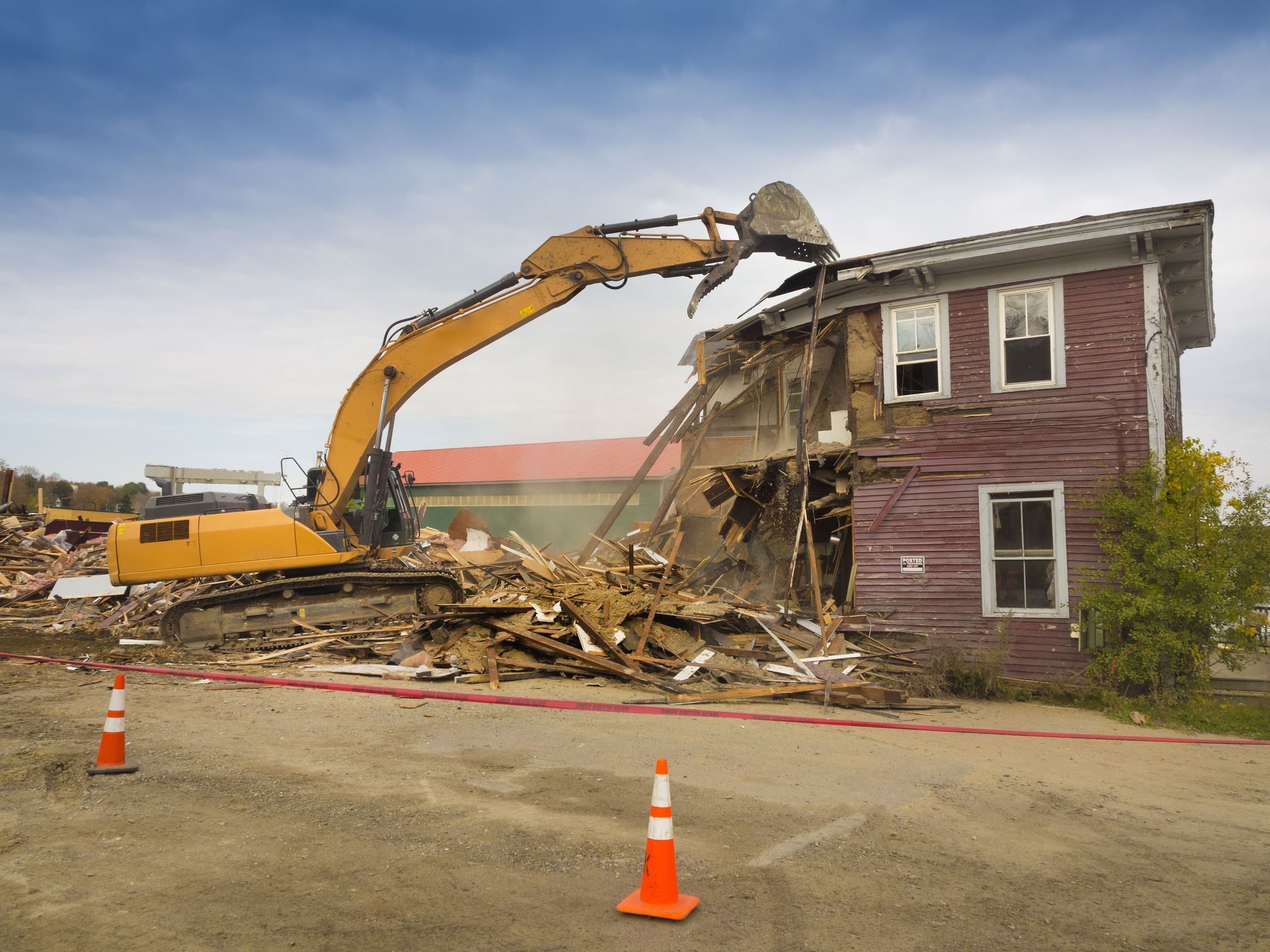
Construction projects often depend on reliable heavy equipment to stay on schedule and within budget. Excavators are among the most commonly used machines on residential, commercial, and industrial job sites because they support a wide range of tasks, from trenching and grading to demolition and material handling. For many contractors and property developers, renting excavators instead of purchasing them outright provides greater operational flexibility and financial control.
The growing demand for rentals highlights how valuable this approach has become throughout the construction industry. According to Mordor Intelligence, excavators accounted for 36.28% of the North American construction equipment rental market in 2025 because of their extensive use in trenching, demolition, and foundation work. As more companies seek efficient ways to manage overhead costs and maintain productivity, equipment rental businesses continue to play an important role in helping projects move forward without unnecessary financial strain.
From reducing long-term ownership expenses to improving job site efficiency, renting excavators offers several business advantages for contractors of all sizes. Understanding these benefits can help construction professionals make smarter decisions that support both short-term operations and long-term growth.
Lower Operating Costs and Greater Financial Flexibility
Reduced Upfront Investment
Purchasing an excavator requires a major financial commitment that can place pressure on a company's cash flow. New excavators often cost tens of thousands of dollars, and larger hydraulic models can require an even greater investment. For many contractors, especially small and mid-sized firms, allocating that much capital to a single machine may limit the ability to invest in labor, materials, or additional equipment.
Renting allows construction companies to gain access to dependable machinery without taking on the high cost of ownership. Instead of tying up capital in equipment purchases, contractors can direct their resources toward expanding operations, bidding on new projects, or covering other business expenses. Equipment rental businesses help companies maintain financial flexibility while still giving them access to the machinery required to complete demanding excavation work.
Another advantage of renting is the ability to avoid long-term financing obligations. Equipment loans can create ongoing monthly payments that continue even during slower construction seasons. Rental agreements provide a more manageable alternative because contractors only pay for equipment when it is needed for active projects.
Lower Maintenance and Storage Expenses
Owning excavators involves far more than the initial purchase price. Businesses must also account for maintenance, repairs, inspections, transportation, and storage costs throughout the life of the machine. These expenses can quickly add up, particularly for contractors operating multiple pieces of heavy equipment at once.
When renting excavators, much of the maintenance responsibility remains with the rental provider. Reputable rental companies regularly inspect, service, and clean their fleets to ensure reliable performance before the equipment arrives. This reduces the likelihood of unexpected downtime caused by neglected maintenance issues and allows contractors to focus more attention on project execution.
Storage is another major consideration for equipment owners. Excavators require secure areas for parking and protection when not in use, which may involve additional property costs or warehouse space. By working with equipment rental businesses, contractors can avoid the burden of maintaining long-term storage solutions for machinery that may only be used periodically throughout the year.
Improved Budget Predictability
Construction projects often operate on tight margins, making predictable expenses essential for profitability. Renting excavators helps businesses forecast equipment costs more accurately because rental rates are established in advance. Contractors can build these expenses directly into project estimates and avoid many of the surprise repair costs associated with ownership.
Predictable rental pricing also helps companies scale operations more efficiently. Contractors can secure the exact equipment required for each phase of a project without committing to permanent ownership of machines that may not be needed again for months. Equipment rental businesses provide flexible rental terms that allow companies to adapt more easily to changing project demands and seasonal workloads.
This level of flexibility can be especially valuable for firms handling multiple projects at different locations. Instead of transporting owned machinery between sites and managing complex logistics, contractors can rent equipment as needed and return it once the work is completed.
Increased Job Site Efficiency and Equipment Availability
Access to the Right Excavator for Every Job
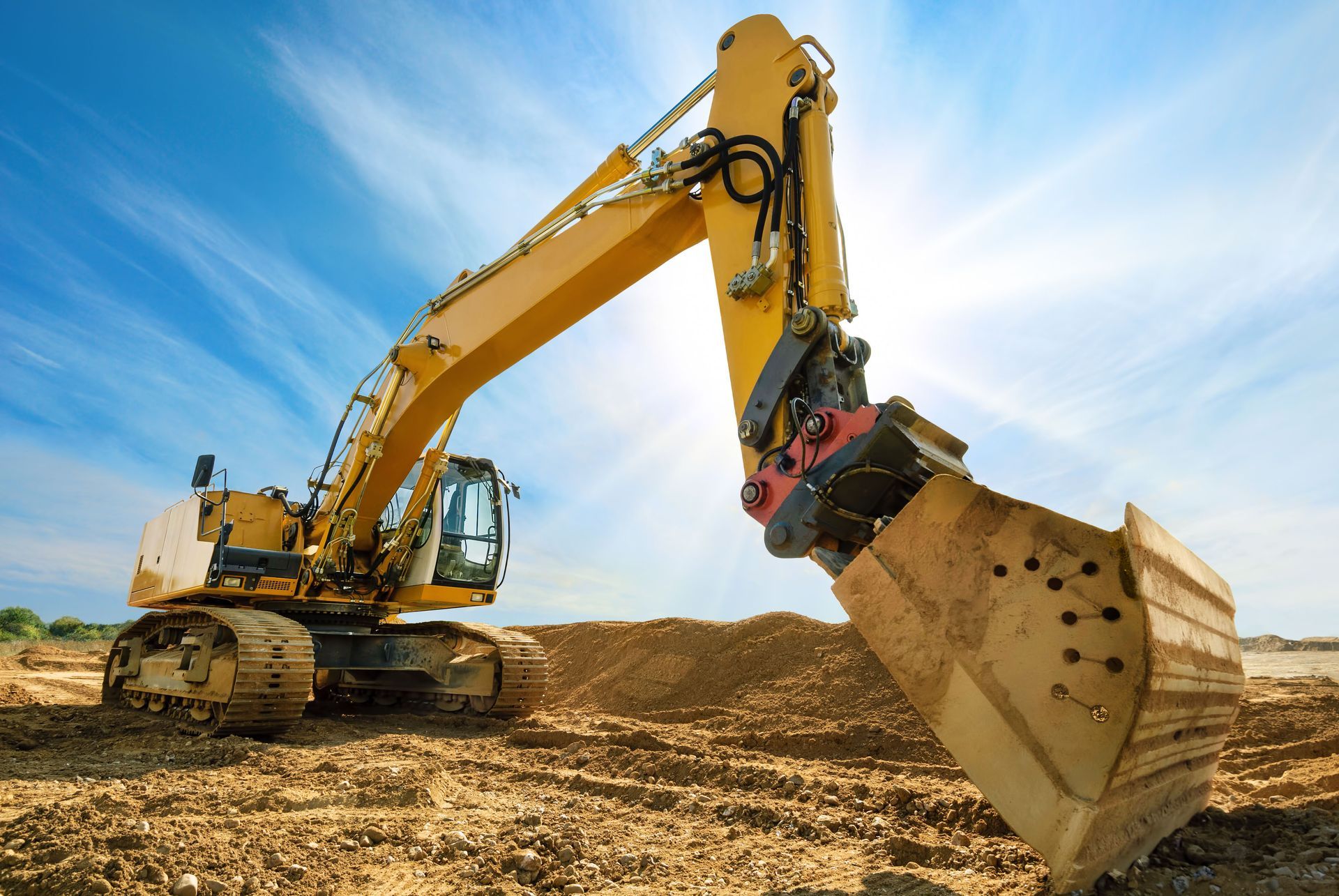
Different construction projects require different types of excavators. A compact mini excavator may be ideal for residential landscaping or utility installation in confined spaces, while larger hydraulic excavators are better suited for commercial site preparation and heavy-duty digging. Owning one or two machines may not provide the versatility necessary to handle every type of project efficiently.
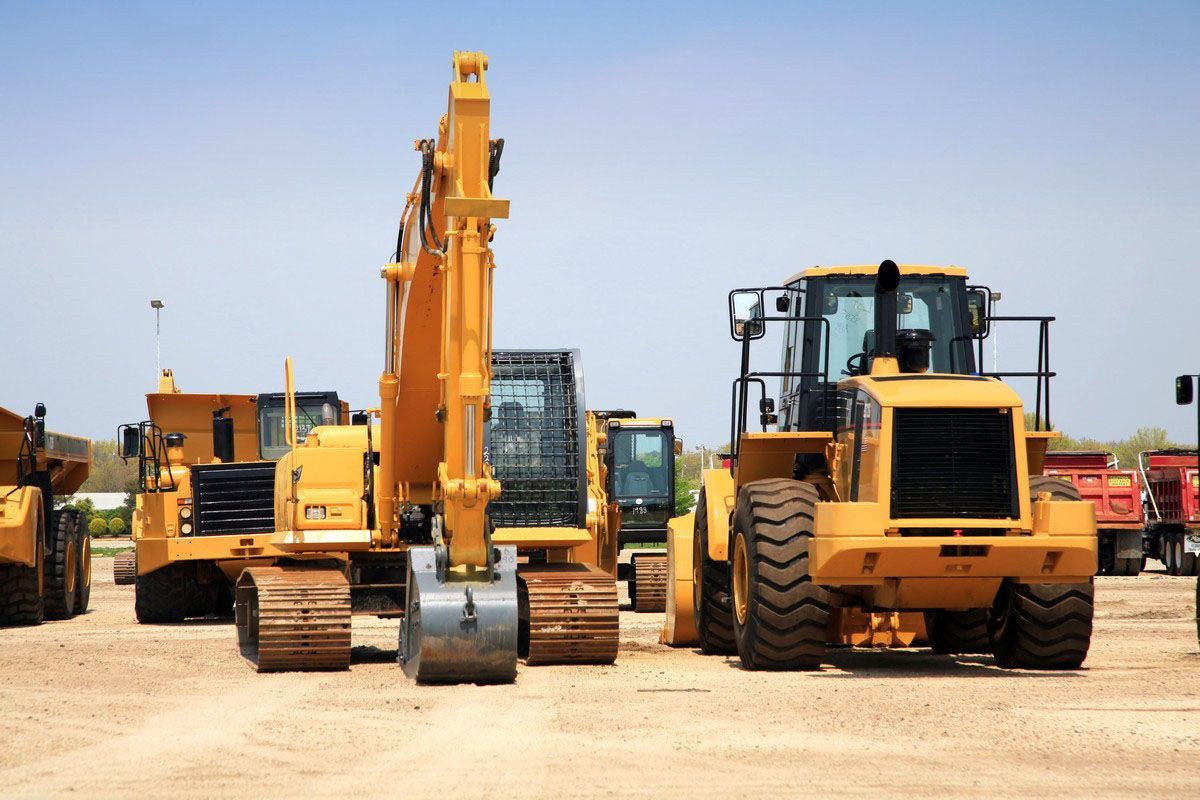
Renting gives contractors access to a broad range of excavator sizes and attachments that can be matched to specific job site requirements. This flexibility allows construction teams to choose the most effective equipment for each project rather than attempting to force one machine to handle every task. Equipment rental businesses often maintain extensive inventories that include mini excavators, mid-size units, and larger models designed for more demanding applications.
Attachments also improve versatility on the job site. Contractors can use breakers, augers, trenchers, and grading attachments to complete multiple tasks with the same machine. This reduces the need for additional equipment and helps crews maintain productivity throughout the project timeline.
Having access to properly sized equipment also improves safety and performance. Using an excavator that matches the demands of the project can reduce strain on the machine, minimize delays, and improve overall work quality.
Reliable Equipment That Supports Productivity
Equipment downtime can disrupt construction schedules and create costly delays. Contractors who own older machinery may experience breakdowns that require expensive repairs and interrupt workflow during critical project phases. Rental providers help reduce this risk by maintaining fleets that are routinely serviced and inspected.
Reliable equipment contributes directly to job site productivity. Operators can work more efficiently when they have confidence that the excavator will perform consistently throughout the day. Equipment rental businesses typically prioritize preventative maintenance to keep their fleets operating at peak condition, helping contractors avoid unnecessary interruptions.
Many rental providers also offer prompt delivery and pickup services that streamline project logistics. Contractors can schedule equipment to arrive when needed and return it once the work is complete, reducing idle time and simplifying coordination between crews and project managers.
Dependable rental support can make a significant difference during large-scale projects with strict deadlines. Quick access to replacement equipment or additional machines allows contractors to respond more effectively when workloads increase unexpectedly.
Faster Project Completion
The ability to secure the proper excavator quickly can help contractors complete projects more efficiently. Delays in obtaining equipment may push back timelines and increase labor expenses, particularly when crews are left waiting for machinery to arrive. Equipment rental businesses help minimize these issues by offering flexible scheduling and ready-to-rent inventory.
Excavators are essential for many phases of construction, including land clearing, trench digging, grading, and foundation preparation. Having immediate access to properly maintained equipment allows crews to move from one stage of the project to the next without unnecessary delays.
Rental flexibility also supports changing project demands. Contractors can increase or reduce the number of excavators on site depending on workload requirements. This scalability helps businesses maintain efficiency without committing to permanent fleet expansion.
For contractors managing seasonal workloads, renting provides additional operational advantages. During periods of increased demand, companies can secure additional equipment temporarily rather than purchasing machinery that may sit unused during slower months.
Renting excavators offers construction companies a practical way to control costs, improve efficiency, and maintain flexibility across a wide range of projects. From reducing maintenance responsibilities to providing access to properly sized equipment, rental solutions allow contractors to focus more on productivity and less on the long-term burdens associated with ownership.
For businesses managing changing workloads and tight project schedules, working with trusted equipment rental businesses can provide significant operational advantages. Reliable machinery, flexible rental terms, and responsive support services help contractors complete projects efficiently while maintaining stronger financial stability. As construction demands continue to grow, excavator rentals remain a valuable solution for companies seeking dependable performance and sustainable business growth. Reach out to ABC Equipment Rental if you're interested in renting an excavator for your construction project!

Share On: